What does the asset turnover ratio tell you?
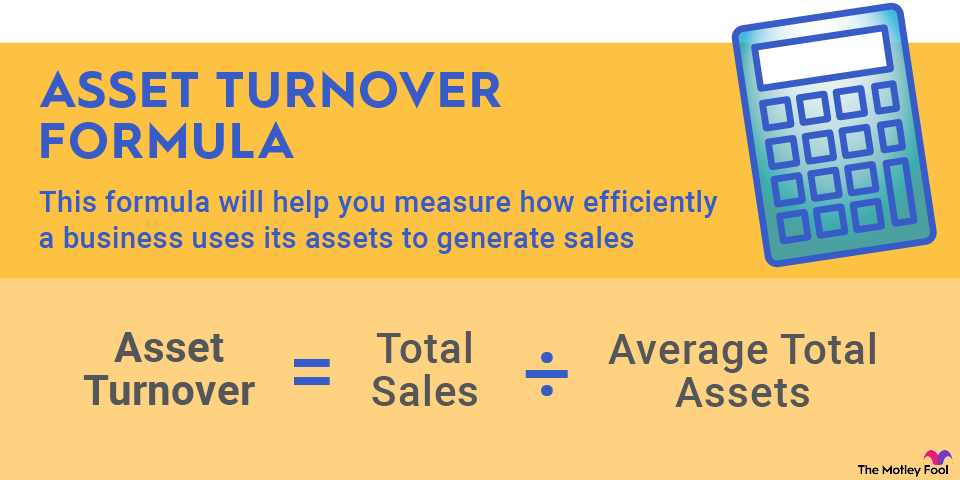
Calculating the asset turnover ratio for a single company at a single point in time isn't very useful. The metric is most useful when compared to competing companies in the industry or when tracked over time.
In general, a higher asset turnover ratio is better. A company that generates more revenue from its assets is operating more efficiently than its competitors and making good use of its capital. A low asset turnover ratio suggests the company holds excess production capacity or has poor inventory management.
If a company is showing an increase in asset turnover over time, it indicates management is effectively scaling the business and growing into its production capacity. This may be the case for growth stocks, which invest heavily in certain areas with the expectation that revenue will increase to take advantage of its capital investments.
Investors can use the asset turnover ratio to help identify important competitive advantages. If one company has a higher asset turnover ratio than its peers, take the time to figure out why that might be the case.
That said, if a company's asset turnover is extremely high compared to its peers, it might not be a great sign. It may indicate management is unable to invest enough to boost the business to its full potential. Spending more by investing in more revenue-producing assets may lower the asset turnover ratio, but it could provide a positive return on investment for shareholders. Management should be working to maximize profits even if the next investment isn't quite as profitable as the last.