Commodity goods are raw materials, like corn, flour, oil, and metals. Commodities trading is the buying and selling of these raw materials. Sometimes it involves the physical trading of goods. But more often it happens through futures contracts, where you agree to buy or sell a commodity for a certain price at a specified date.
Commodities can add diversification to your portfolio and provide an inflation hedge. However, commodities are highly volatile. Trading commodities is complex because factors like weather events and political strife that are often difficult to predict can have an outsize impact on prices. Keep reading to learn the basics of how commodities trading works and some alternative ways to invest in commodities.
What is commodities trading?
Commodities trading is the buying and selling of raw materials like corn, oil, and metals. Sometimes it involves physically exchanging goods, but more often it happens through futures contracts, where you agree to buy or sell a commodity at a set price on a specified future date.
Commodities can add diversification to a portfolio and act as an inflation hedge, but they're highly volatile. Factors like weather events and political instability that are difficult to predict can have an outsized impact on prices.
How futures contracts work
Futures contracts are the most common way commodities are traded, and they serve two different purposes depending on who's using them.
Producers and industrial consumers use futures as a risk management tool. Say you're a corn farmer who wants to lock in the current market price for your crop. You sell a futures contract agreeing to deliver 5,000 bushels at $4 each in 90 days. If prices fall, you've protected yourself. If prices rise to $5, you miss out on the upside but had certainty when you needed it. On the other side, a food processing company that needs corn to make cornmeal might buy that same contract to protect against a price spike.
Investors and speculators use futures to bet on price direction. If you buy that futures contract with no intention of taking delivery of 5,000 bushels of corn, you're simply betting prices will rise so you can sell the contract at a profit. If you think prices will fall, you take a short position.
Futures contracts are typically traded on commodity exchanges. The two largest in the U.S. are the Chicago Mercantile Exchange and the New York Mercantile Exchange.
Commodities vs. the stock market
Commodity prices often fluctuate wildly because of changes in supply and demand. For example, when there's a big harvest of a certain crop, the price usually goes down. When there's a drought, prices often rise because of fears that the supply will drop.
Similarly, during cold weather, demand for natural gas for heating purposes rises. This causes prices to spike, too. But a warm spell during winter can depress prices.
Still, some commodities are relatively stable, such as gold, which also serves as a reserve asset for central banks. But in general, commodities are significantly more volatile than stocks or bonds.
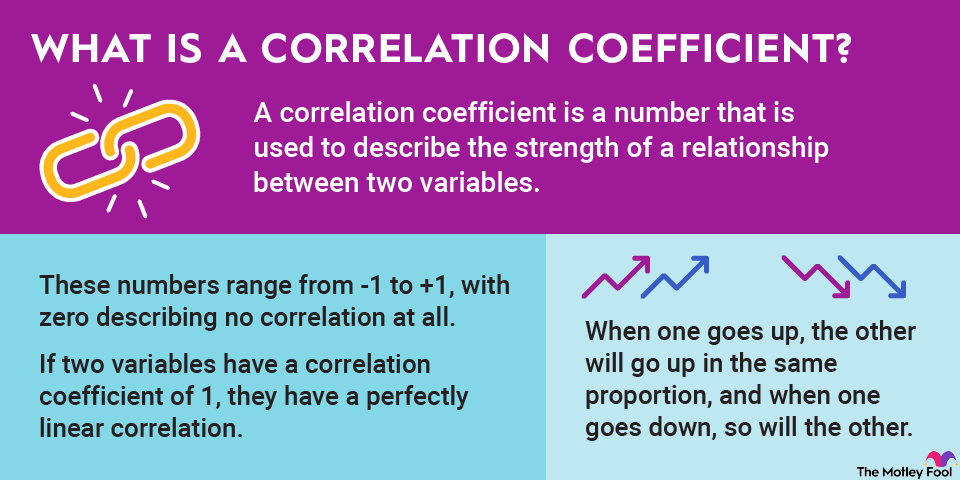
Some investors seek out commodities for diversification. Commodities usually have a negative correlation (their prices move in different directions) or a low correlation (their prices don't move in tandem with each other) with equities.
For example, oil and stocks tend to have a negative correlation. That means rising oil prices have traditionally been linked to a weaker stock market. Likewise, the stock market is often stronger when oil prices are low.
For that reason, commodities are a popular stock market hedge. Many investors flock to gold during a bear market, for example. Commodities are also a common inflation hedge. High inflation often causes commodity prices to soar; stocks and bonds perform better when inflation is lower.
Should you trade commodities?
Commodity trading is high risk and high reward. It can be an effective hedge against inflation or a bear market, but it requires a strong understanding of supply-and-demand dynamics, historical price trends, and real-time market conditions.
Much of commodity trading is speculation rather than investing. Unpredictable events like weather, disease, and natural disasters can move prices sharply in the short term. For most individuals looking for long-term exposure, commodity stocks, mutual funds, and ETFs are a more practical and manageable approach than trading futures directly.
Related investing topics
About the Author