For years, crypto investors have operated in a regulatory fog. Is your favorite coin a security? A commodity? Something else entirely?
The answer mattered enormously. It determined which regulators had jurisdiction over your favorite cryptocurrencies, what rules applied, and whether the project behind your tokens might face an enforcement action.
The times, they are a-changin'. The Securities and Exchange Commission (SEC) and the Commodity Futures Trading Commission (CFTC) issued a joint guidance document this week that clears up a lot of the regulatory fog.
The guidance title is straight to the point, in that adorably dry way of professional bureaucrats: "Application of the Federal Securities Laws to Certain Types of Crypto Assets and Certain Transactions Involving Crypto Assets."
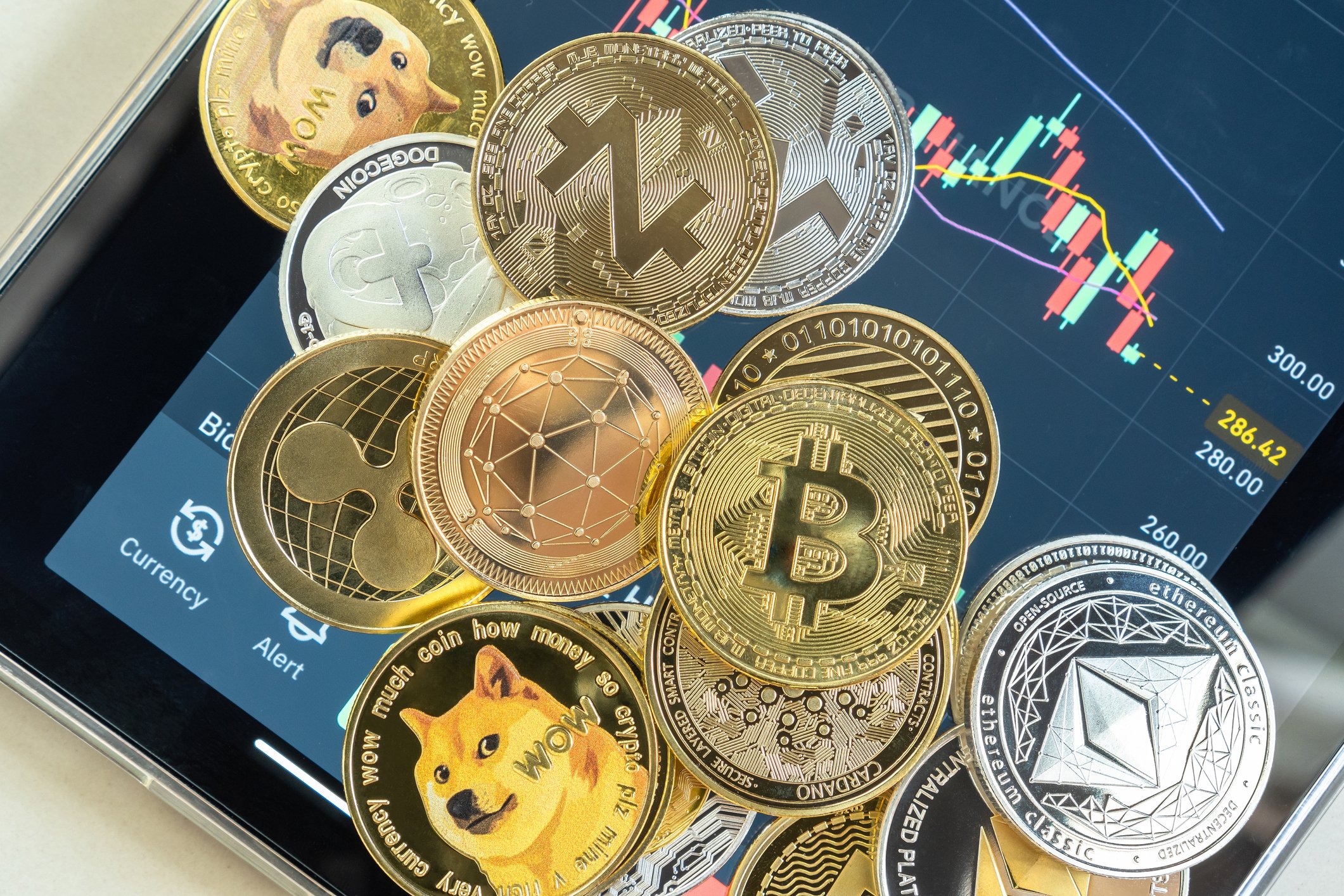
The biggest revelation: 16 major cryptocurrencies are officially digital commodities, not securities. Bitcoin (BTC 0.26%), Ether (ETH 0.29%), Dogecoin (DOGE 0.75%), Solana (SOL 0.50%), XRP (XRP 0.44%), Cardano (ADA 0.36%), and ten of their closest friends made the official list.
Pop the champagne. Or convert it to carbonated stablecoins. Whatever feels right.

CRYPTO: BTC
Key Data Points
The "Are you a security?" test in plain English
Imagine you give the neighbor kids $100 to open a lemonade stand. They promise to work hard, grow the business, and split the profits with you. That's an investment in their efforts. It's a security, or at least it would be if you signed a contract with these terms.
Now imagine you buy a baseball card at a garage sale. There's no lemonade stand promise, or mixing of sweetened lemon juice with ice water. No one's working to make your card more valuable. It's only worth whatever someone else will pay for it. That's a commodity, not a security.
Crypto works the same way. If you're buying a token because some team promised to build cool stuff and make you rich, you might be holding a security. If you're buying it because you believe in the coin's supply, demand, and the chaotic beauty of decentralized markets, you're probably holding a commodity.
And under the new regulatory guidance, many cryptocurrencies will be treated as commodities. That's a lower regulatory bar with fewer trading restrictions and registration requirements.
Why Bitcoin, Ether, and Dogecoin made the commodity cut
These three couldn't be more different in origin and purpose, yet they share a common trait: none of them depends on a central team's ongoing managerial efforts to generate value.
Bitcoin is the original decentralized cryptocurrency. There's no company behind it, no CEO making promises, no roadmap of features designed to pump the price. The Bitcoin system was invented by a person or group under the pseudonym of Satoshi Nakamoto, whose identity remains a secret in 2026. Its value comes from its scarcity, its network effects, and market demand.
Ether powers the Ethereum network, the backbone of many decentralized finance projects and smart contracts. While Ethereum has a more active development community than Bitcoin, the network is sufficiently decentralized that no single party controls its fate. Investors aren't relying on co-founder Vitalik Buterin to deliver growing quarterly earnings.
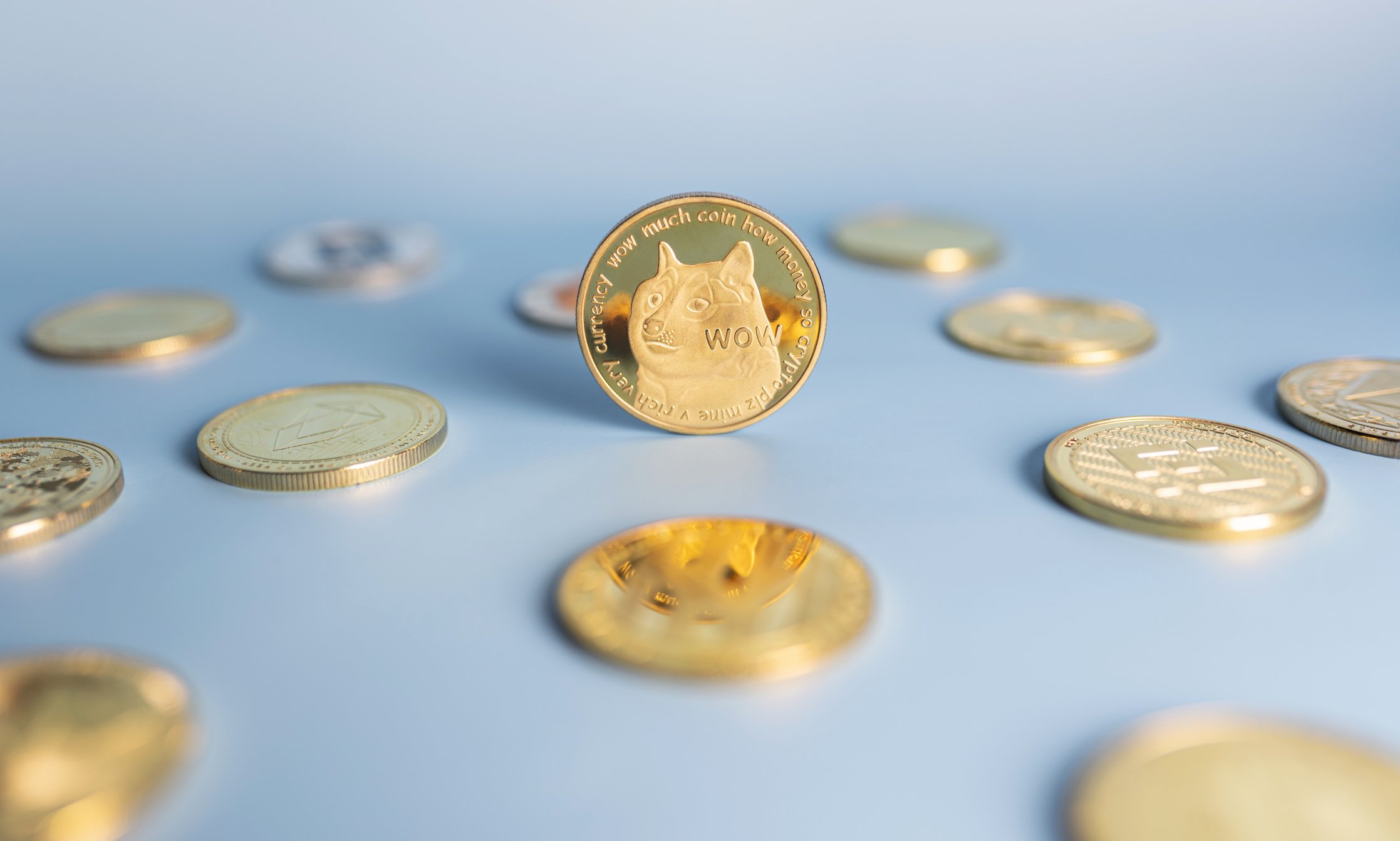
Dogecoin started as a joke, but it's now a quite legitimate digital commodity. Its value is driven by community enthusiasm and market speculation -- not by promises from a development team. There's no "Dogecoin Inc." or "Dogecoin Corp." pledging to add features that will make your DOGE worth more. In fact, some of its design features actively reduce its value over time.

CRYPTO: DOGE
Key Data Points
OK, so what actually is a crypto security?
Not every cryptocurrency falls under the commodity banner, but the stuff that will be treated as securities tends to be pretty boring.
It's mostly tokenized stocks and tokenized bonds. You know, they're ordinary old-school securities being wrapped in crypto technology and traded on blockchain networks. If it's a security in the real world, it's still a security when you wrap it in Ethereum or Solana tokens, for example.
The other flavor of crypto securities involves promises of instant wealth or big gains. "Buy our coin, and we'll build an amazing platform, and you'll get rich!" That's a promise to deliver positive returns, kind of like a business plan. It's an investment contract. And that makes it a security, so don't be surprised if the SEC comes knocking.
But here's the nuance: a token can start as a security and later escape that classification. Once a network becomes sufficiently decentralized, or the issuing team abandons or fulfills its promises, the token can "graduate" to commodity status. The security label isn't necessarily permanent.
Lawyers and lawmakers will surely challenge and sharpen the edges of that transition over time. But the guidance document lays the first stones in that clarification path.
Image source: Getty Images.
What this means for crypto investors
This guidance is more than regulatory housekeeping. It's a sign that the crypto market is finally growing up.
With clear commodity classifications for major tokens, the door opens wider for regulated financial products. Bitcoin and Ether ETFs arrived in 2024. Solana and others joined the ETF party over the past six months. Now the path is much clearer for similar products tied to other popular cryptocurrencies. Futures markets can expand. Institutional investors who've been waiting on the sidelines for regulatory clarity may finally step in, one by one.
For everyday investors, this means less uncertainty. You can buy, hold, and trade these 16 digital commodities (and others, since the 16 names were presented as "examples" of commodities) knowing that the SEC isn't lurking, ready to declare your favorite coin an unregistered security.
The regulatory fog is lifting. The rules are becoming clearer. And crypto, for better or worse, is starting to look a lot more like a serious asset class.