The inflation beast clearly hasn't been tamed just yet. The U.S. consumer inflation rate jumped from February's 2.4% to a near-two-year-high reading of 3.3% in March.
That's too much of a shift for the Federal Reserve to ignore, particularly in light of other clues that the economic backdrop isn't exactly conducive to sustained growth. Investors can't ignore this shift either. They'll want to respond as well, adjusting for inflation and the Fed's likely response.
To this end, most consumer staples stocks are pretty good hedges against inflation. And two of them are particularly well-built for such environments.

Image source: Getty Images.
1. Walmart
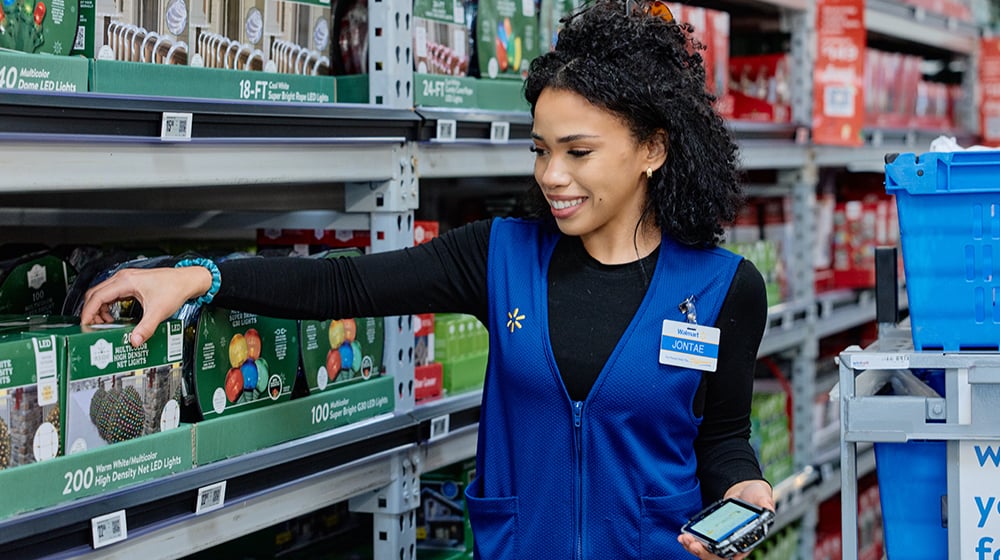
It's anything but an exciting growth stock. Last year's 5.1% revenue growth (on a constant-currency basis) is in line with long-term norms, in fact. But you don't own Walmart (WMT 1.41%) for its growth firepower. You own it for its consistency and its resiliency, both of which help the stock command a premium valuation when most other names are vulnerable.

NASDAQ: WMT
Key Data Points
That said, the world's biggest brick-and-mortar retailer is still demonstrating a curiously -- and uniquely -- competitive edge that first materialized shortly after the COVID-19 pandemic began winding down, and several quarters' worth of rock-bottom interest rates finally began causing inevitably high inflation. As has been the case in most quarters since then, CEO John Furner commented during February's fiscal fourth-quarter earnings conference call, "Again, this quarter, the majority of our share gains came from households making more than $100,000."
As it turns out, even affluent households are cost-conscious these days. March's inflation figures are only apt to inspire more of this caution.
2. Coca-Cola
Given the sea of competition it's now swimming in, it would be easy to presume beverage giant Coca-Cola (KO 1.22%) no longer enjoys much pricing power. Its fourth-quarter organic revenue growth of 5% was largely driven by an increase in the total volume of flavored concentrate sold during the three months in question; price increases were only a small part of that improvement. Meanwhile, the ever-rising cost of... well, everything works against any commodity-based company.
Now look at the rest of the story. Coca-Cola's Q4 operating margins were still widened year over year, from 24% to 24.4%. Non-GAAP (generally accepted accounting principles) per-share earnings also grew 6% in Q4. And the beverage company still managed to gain market share in the quarter and throughout 2025.

NYSE: KO
Key Data Points
Given March's sizable increase in annualized inflation, sure: Coca-Cola's profit margins could face more pressure going forward. The company's more than proven it's got enough pricing power to push through most headwinds, though.
Credit the strength of its branding and marketing, mostly. Most consumers don't seem to mind paying a little more for their preferred, familiar consumables. That's particularly true when they feel forced to cut back on larger expenditures, such as vacations or automobiles.
The kicker, of course, is Coca-Cola stock's reliable dividend. Newcomers will be stepping into a solid forward-looking dividend yield of 2.7% at a time when most other tickers could be bringing a bit too much risk to the table and not enough upside potential.