If there's one good thing about living in Ohio (besides the roller coasters and the Rock & Roll Hall of Fame, I mean), it's gotta be the gas prices. Usually, Ohioans pay less than the national average -- sometimes much less -- at the pump.
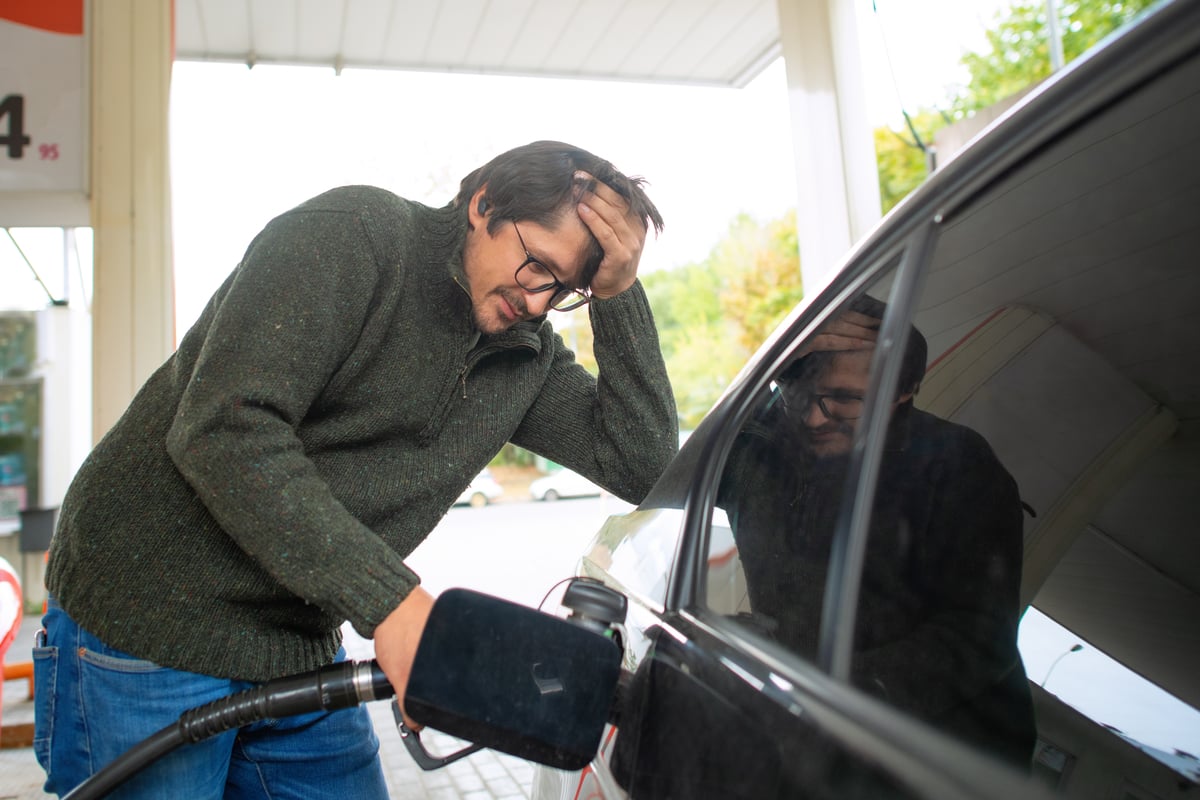
But holy Toledo! This week, Ohio gas prices skyrocketed to an average of $4.86/gallon for regular unleaded gasoline, currently outstripping the national average by $0.55/gallon and making Ohio the eighth-most expensive state for filling your tank.
What happened? It's not just the war in Iran. Something much closer to home is to blame.
Image source: Getty Images.
An outsized spike
Of course, part of the reason gas prices have been high for the last two months is the ongoing war in Iran, which has just passed the 60-day mark with no apparent end in sight.
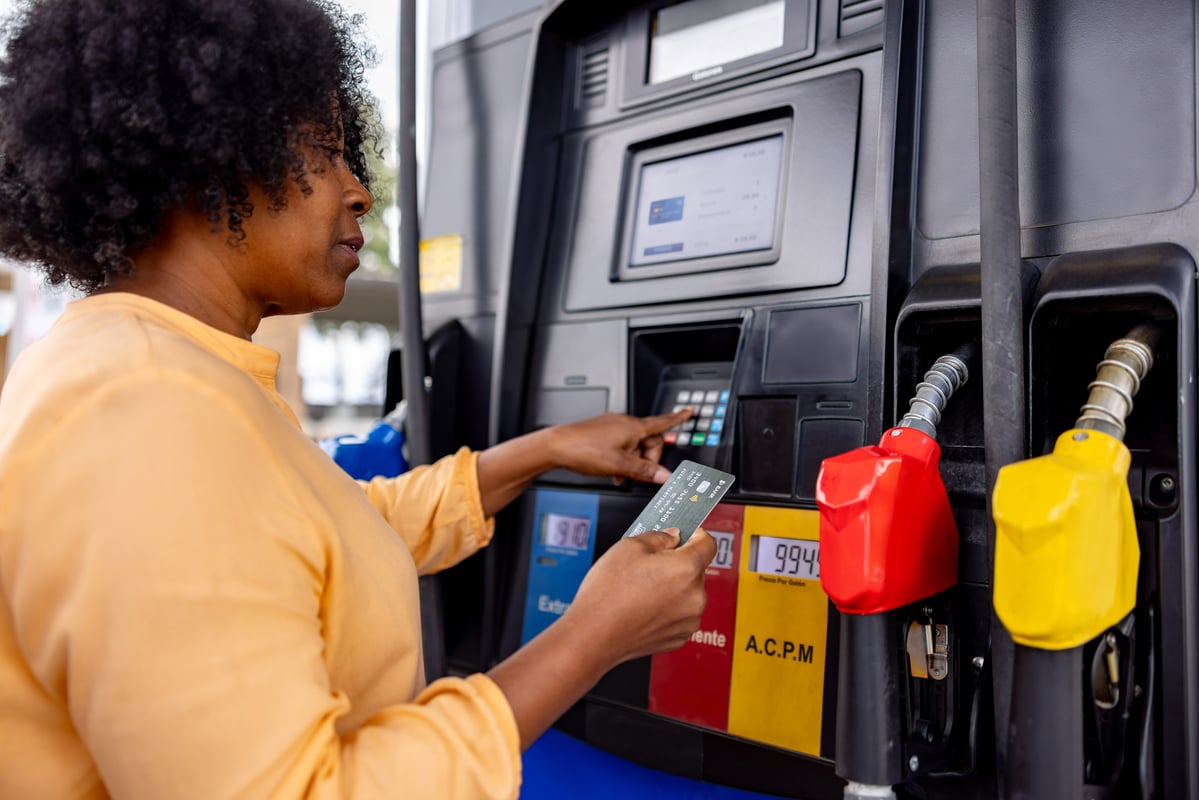
Since the war began, gas prices have risen sharply nationwide. A year ago, the national average price for a gallon of regular unleaded gasoline was $3.17/gallon. A month ago, that shot up to $4.11/gallon. Today it's sitting at $4.46/gallon.
But until this week, Ohioans were paying a bit less: A month ago, Ohio's average regular unleaded gas price was just $3.75/gallon ($0.36/gallon below the national average). But today, it's $0.40/gallon more expensive than the already-high national average. What happened?
Electricity happened. Or rather, a lack thereof.
A single refinery
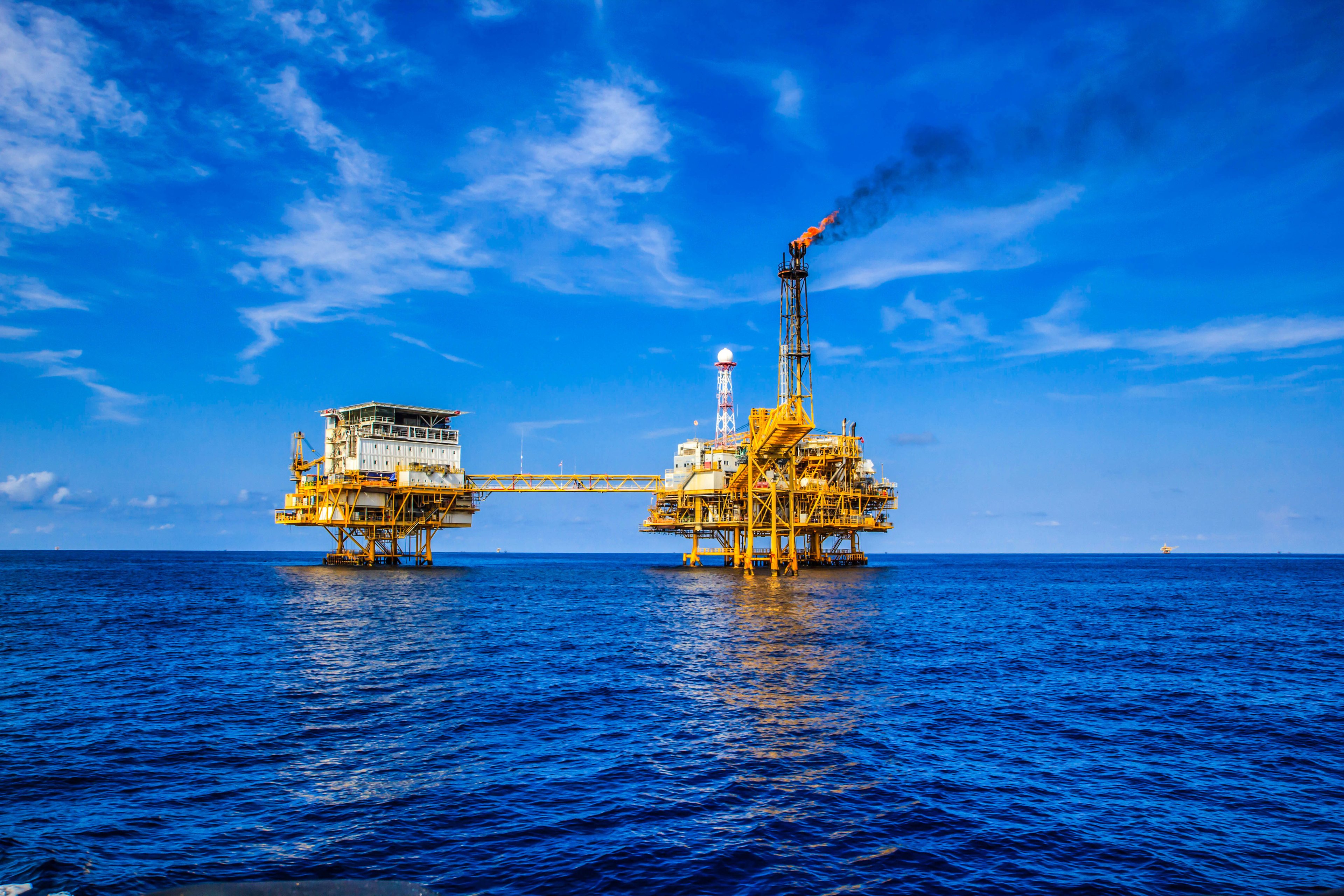
The electrical failure occurred at BP's (BP +2.57%) largest gasoline refinery in the world: the Whiting Refinery in Whiting, Indiana.
BP's Whiting Refinery is the largest U.S. gasoline refinery outside the Gulf Coast. It doesn't just refine gasoline for BP, however. The refinery produces diesel fuel, jet fuel, and other products. The fuels refined by the Whiting Refinery are sold to many other service station brands, making it the largest supplier of gasoline for the Great Lakes region, producing about 16 million gallons of fuel per day.
That is, when it's online -- which it currently isn't.
Image source: Getty Images.
The electrical outage shut down fuel production at the refinery on April 26, driving up gasoline wholesale prices across the region. It took a few days for those elevated wholesale prices to be felt at the retail level, but they're expected to persist until the refinery is back online, which could be weeks away.
What it means for you
For Ohio drivers, it means you may want to avoid filling up your tank for the next few weeks until the refinery is back online and local wholesale capacity returns to normal.
BP shareholders should expect a small hit to product revenue and earnings from the outage, but it shouldn't have a significant impact. The last Whiting outage, in October 2025, contributed to a $100 million reduction in the segment's $1.4 billion earnings before interest and taxes (EBIT).

NYSE: BP
Key Data Points
The takeaway for everyone is that even when gas prices are up nationally due to global events, fluctuations can still occur due to regional supply and demand issues. The only difference is that consumers feel the pain much more when baseline prices are already sky-high.