Chipmaker Nvidia (NVDA 4.39%) is the largest publicly traded company in the world by market capitalization. It's also the largest publicly traded company in history, hitting a high of $5.26 trillion on April 27. It's currently at $5.17 trillion.
That's a jaw-dropping valuation, and Nvidia reached it quickly. The company's market cap is up more than 80% over the past year alone and more than 1,300% in the last five years.
Given all that growth, is it too late to consider buying Nvidia stock today?

NASDAQ: NVDA
Key Data Points
Nvidia has a winning formula
It's understandable to think you've already missed the boat on Nvidia. But it's also worth remembering that, thus far, the first company to surpass previous trillion-dollar valuation milestones has gone on to further share price success.
For example, when Apple (AAPL +0.68%) became the first U.S. company to reach a $1 trillion valuation in 2018, investors questioned how much higher its price could go. They asked that question again two years later, in 2020, when Apple became the first company to reach a $2 trillion valuation. They asked it again in 2022, as Apple became the first company to surpass $3 trillion. Today, it's worth $4.24 trillion: a huge success story.
Less than a year ago, Nvidia became the first U.S. company with a $4 trillion valuation. But that's for good reason: its revenue has climbed more than 250% over the last three years. Nvidia's net income is up more than 300%, and its free cash flow is up over 200% during the same time period.
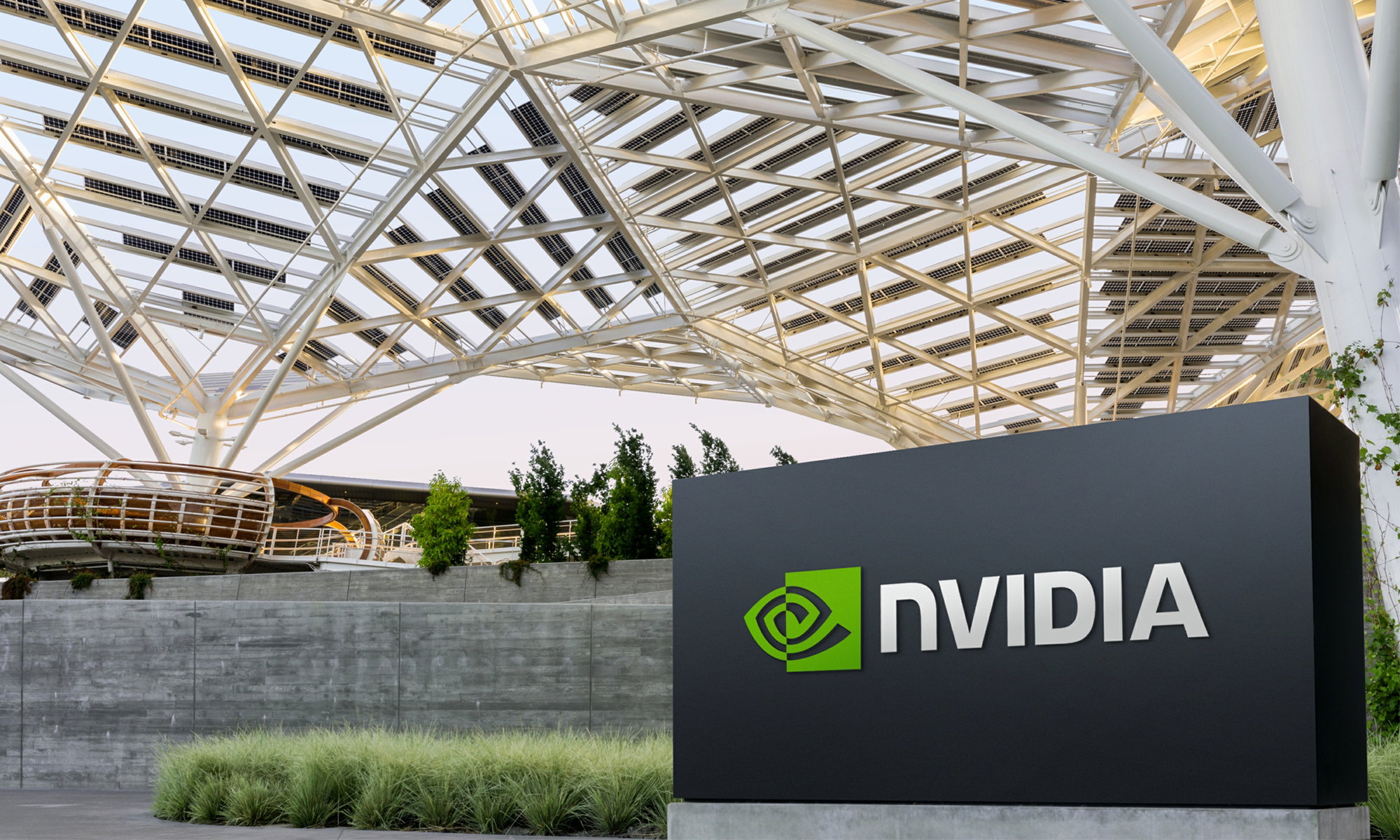
Image source: Nvidia.
By many valuation metrics, including price-to-earnings and price-to-sales, Nvidia's stock is currently trading at one of its lowest valuations over the past five years.
Nvidia reports Q1 earnings on May 20, and analysts expect yet another blowout quarter and strong guidance. However, Nvidia shares have been reacting badly to even stellar earnings reports recently, so a buying opportunity may present itself soon. In any case, even at $5.17 trillion, Nvidia still looks like a company worth buying for the long term.