With a confidential S-1 filing already submitted, SpaceX stands on the cusp of one of the most anticipated initial public offerings in history. At a targeted valuation between $1.75 trillion and $2 trillion -- up sharply from recent private tenders around $800 billion -- SpaceX aims to raise around $75 billion.
This would shatter records for the largest IPO ever, eclipsing Saudi Aramco's 2019 debut. For some, the significance of the SpaceX IPO goes beyond size. A public SpaceX unlocks liquidity for early backers, signals the maturation of commercial space exploration, and injects fresh capital into ambitious projects like Starship interplanetary travel and expanded Starlink constellations.
Most importantly, it also highlights how the space economy is converging with artificial intelligence (AI), creating ripple effects for key technology partners. Nvidia (NVDA 4.39%) and Alphabet (GOOGL 1.07%) (GOOG 1.03%) are uniquely positioned to benefit, leveraging both hardware innovation and strategic equity stakes to ride the wave of orbital expansion.
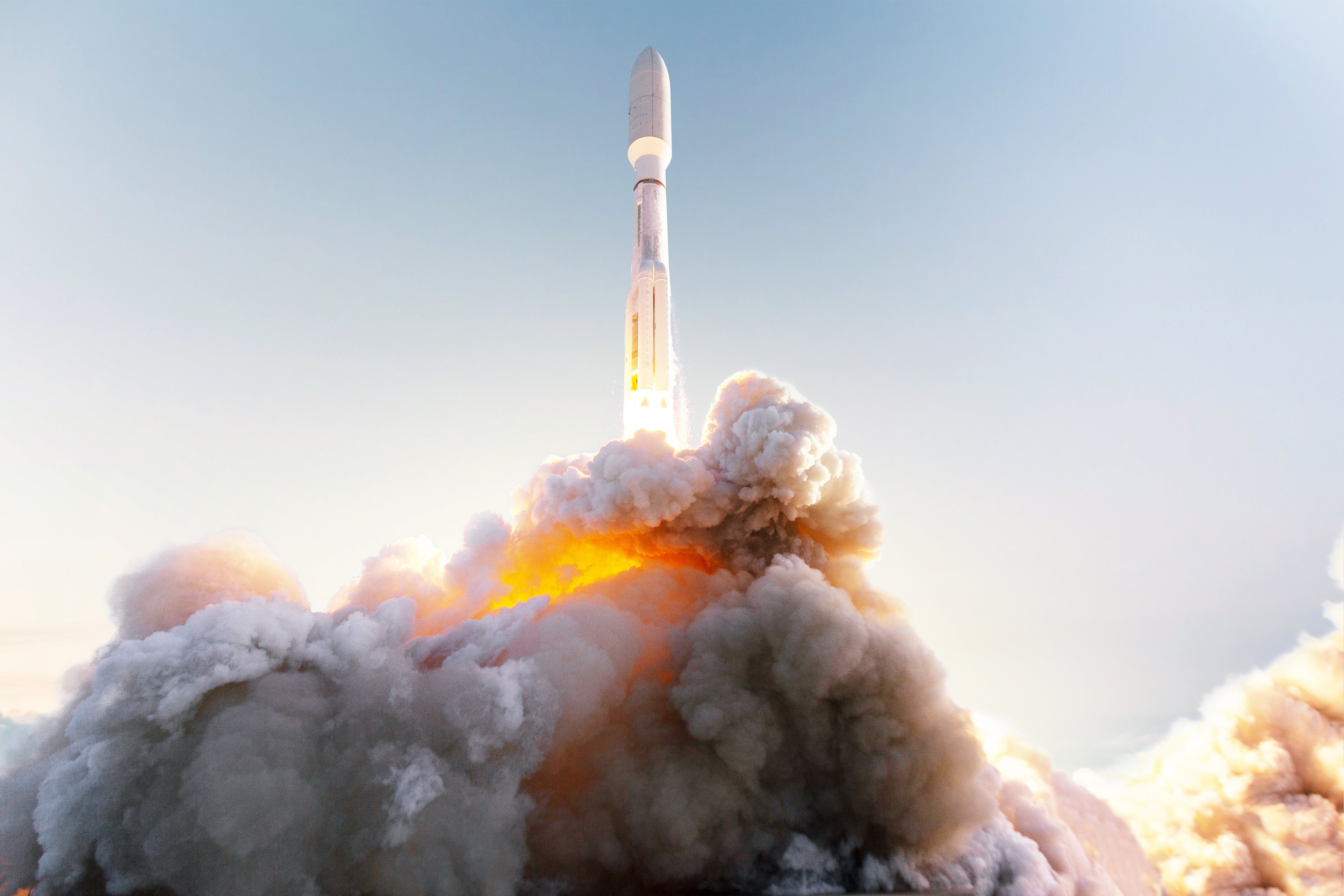
Image source: Getty Images.
How does Nvidia benefit from the SpaceX IPO?
Outside of its data center empire, Nvidia has built a toolkit tailored for the demands of space operations. The company's Space-1 Vera Rubin Module delivers data-center-class AI performance for geospatial intelligence and autonomous space operations. Complementary platforms such as the Jetson Orin series enable energy-efficient edge AI on satellites for tasks such as onboard image processing and sensor fusion.

NASDAQ: NVDA
Key Data Points
What elevates Nvidia's opportunity with SpaceX is the deepening integration across other businesses underneath Elon Musk's umbrella. Tesla relies heavily on Nvidia GPUs for its autonomous driving and robotics training, while xAI -- now merged into SpaceX -- built its Colossus supercomputer primarily on Nvidia's H100 and Blackwell architectures to train its flagship model, Grok.
Musk has publicly commented that SpaceX and Tesla will continue ordering Nvidia chips at scale, even as his companies invest in developing custom silicon.In an era where space missions increasingly leverage distributed AI systems, Nvidia's position as a preferred supplier of accelerated computing should help the company capture incremental revenue from hardware, software toolkits like CUDA, and ecosystemwide demand.
A successful SpaceX IPO should accelerate this flywheel, attracting more capital toward orbital AI infrastructure and cementing Nvidia's role as an indispensable engine powering the space economy.
How much of SpaceX does Google own?
Back in 2015, Google and Fidelity invested $1 billion into SpaceX during a private funding round. At the time, SpaceX was valued at roughly $12 billion. According to recent filings with the Alaska Commerce Department, Google held approximately 6.1% of SpaceX at the end of 2025.
Should SpaceX achieve its $1.75 trillion IPO valuation target, Google's position could be worth over $100 billion. Realizing even a portion of this gain would instantly bolster Alphabet's balance sheet and market perception.
This windfall opens the door to strategically allocating capital back into Alphabet's core engines. Specifically, the company could accelerate investments in the Google Cloud ecosystem to support the surging data demands and AI training clusters.
Additional funds might flow into AI research at DeepMind to stay competitive in the race for orbital intelligence. Alphabet could also pursue acquisitions or partnerships to broaden its own presence in the space economy.
Beyond direct reinvestment, recognizing gains from SpaceX could enhance shareholder returns through stock buybacks or dividends -- reinforcing confidence in Alphabet's ability to generate upside from moonshot bets outside of its search and advertising core.
At the end of the day, SpaceX's IPO represents much more than a corporate milestone. Smart investors understand that a public SpaceX will help crystallize the bridge between ambitious space exploration and AI-driven innovation.
Nvidia is firmly positioned as the silicon backbone for orbital computing, while Alphabet can finally reap the rewards of visionary patience. Taken together, Nvidia and Alphabet illustrate how a single transformative stock listing can revolutionize entire technology landscapes.