It's been a tumultuous past year for our nation's foremost financial institution, the Federal Reserve. We've witnessed an ongoing spat between President Donald Trump and now-former Fed Chair Jerome Powell over interest rates, and observed a historic level of division within the Federal Open Market Committee (FOMC) -- the 12-person body responsible for setting U.S. monetary policy.
Despite this, the Dow Jones Industrial Average (^DJI 0.65%), S&P 500 (^GSPC 0.67%), and Nasdaq Composite (^IXIC 0.84%) have all reached new heights. The question is: Can they stay there, following growing concerns about inflation?
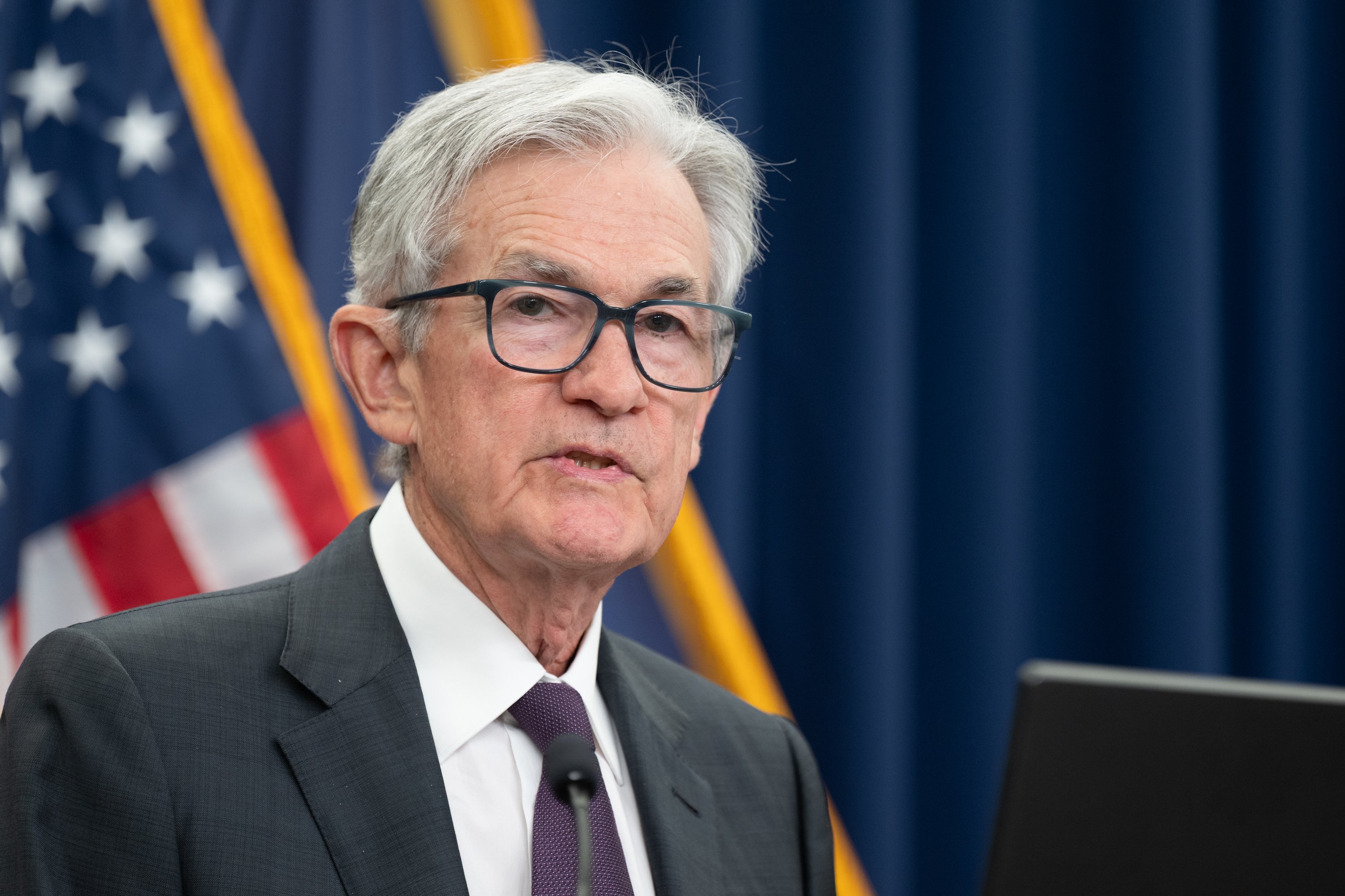
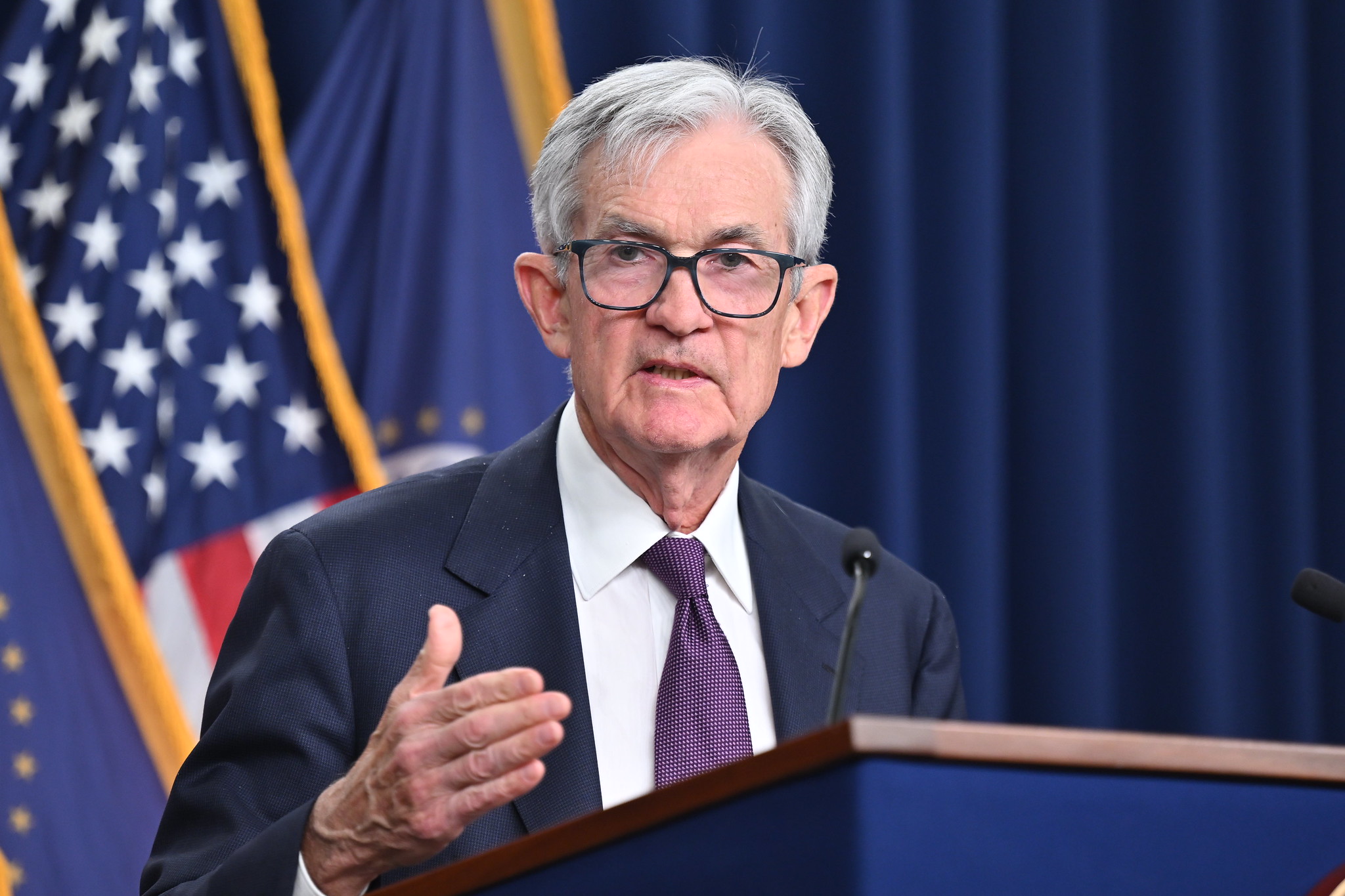
U.S. inflation notably jumped during the final months of Jerome Powell's tenure as Fed chair. Image source: Official Federal Reserve Photo.
The Iran war is hitting consumers' wallets
Although Powell frequently referenced the price stickiness of Trump's tariffs in the goods sector when discussing elevated inflation, the bulk of the worry at the moment centers on the Iran war, which began on Feb. 28.
Shortly after the U.S. and Israel commenced attacks against Iran, the latter closed the Strait of Hormuz to virtually all commercial vessels. This stymied the transport of 20 million barrels of petroleum liquids per day (about 20% of global demand), representing the largest energy supply disruption in history.
⛽ Average U.S. gas prices per gallon on May 6, per AAA:
-- NBC News (@NBCNews) May 6, 2026
• Regular: $4.54 (⬆️ $1.56 since war in Iran began on Feb. 28)
• Premium: $5.39 (⬆️ $1.85 since war began)
• Diesel: $5.67 (⬆️ $1.81 since war began)
There was an immediate response in energy markets, with crude oil prices soaring. Consumers have seen gas prices rise at the fastest pace in 30 years.
But this may be just the beginning. The inflationary effects on businesses often lag a few months. Once higher production and transportation costs are accounted for in economic data, U.S. inflation can rise further.

Image source: Getty Images.
The Fed's newest inflation forecast is nightmare fuel for an expensive stock market
Before the Iran war began, trailing 12-month (TTM) U.S. inflation clocked in at 2.4%. In the subsequent two months, the Bureau of Labor Statistics reported TTM inflation of 3.3% (March) and 3.8% (April). Inflation has jumped to a three-year high in the blink of an eye -- and it's not done yet.
According to the latest forecast from the Federal Reserve Bank of Cleveland's Inflation Nowcasting tool, TTM inflation for May is estimated at 4.18% (as of May 15). Worse yet, the quarterly annualized Consumer Price Index is pacing a 6.89% increase for the second quarter!
When 2026 began, Wall Street and investors had been factoring in several rate cuts for 2026-2027. Lower lending rates were expected to fuel the artificial intelligence data center build-out and prop up a historically expensive stock market. The only time the S&P 500's Shiller Price-to-Earnings Ratio has been higher over the last 155 years was in the lead-up to the bursting of the dot-com bubble.
Shiller PE is now less than 5% away from surpassing the level reached during the Dot Com Bubble which would give the stock market its most expensive valuation in history 🚨🚨🚨 pic.twitter.com/Qd8rvlVvUn
-- Barchart (@Barchart) May 14, 2026
The inflationary spike from the Iran war has effectively removed any chance of rate cuts in 2026, and perhaps beyond. It may even coerce the FOMC to raise rates if prices continue trending higher.
Further complicating matters is the ascension of new Fed Chair, Kevin Warsh. Warsh's previous time on the FOMC (Feb. 24, 2006 – March 31, 2011) shows he favored higher interest rates to suppress inflation. Warsh will also be tasked with overseeing a fractured FOMC. If dissenting opinions persist, the nation's central bank could lose some of its hard-earned credibility.
The Fed's latest inflation update is nothing short of nightmare fuel for the stock market.