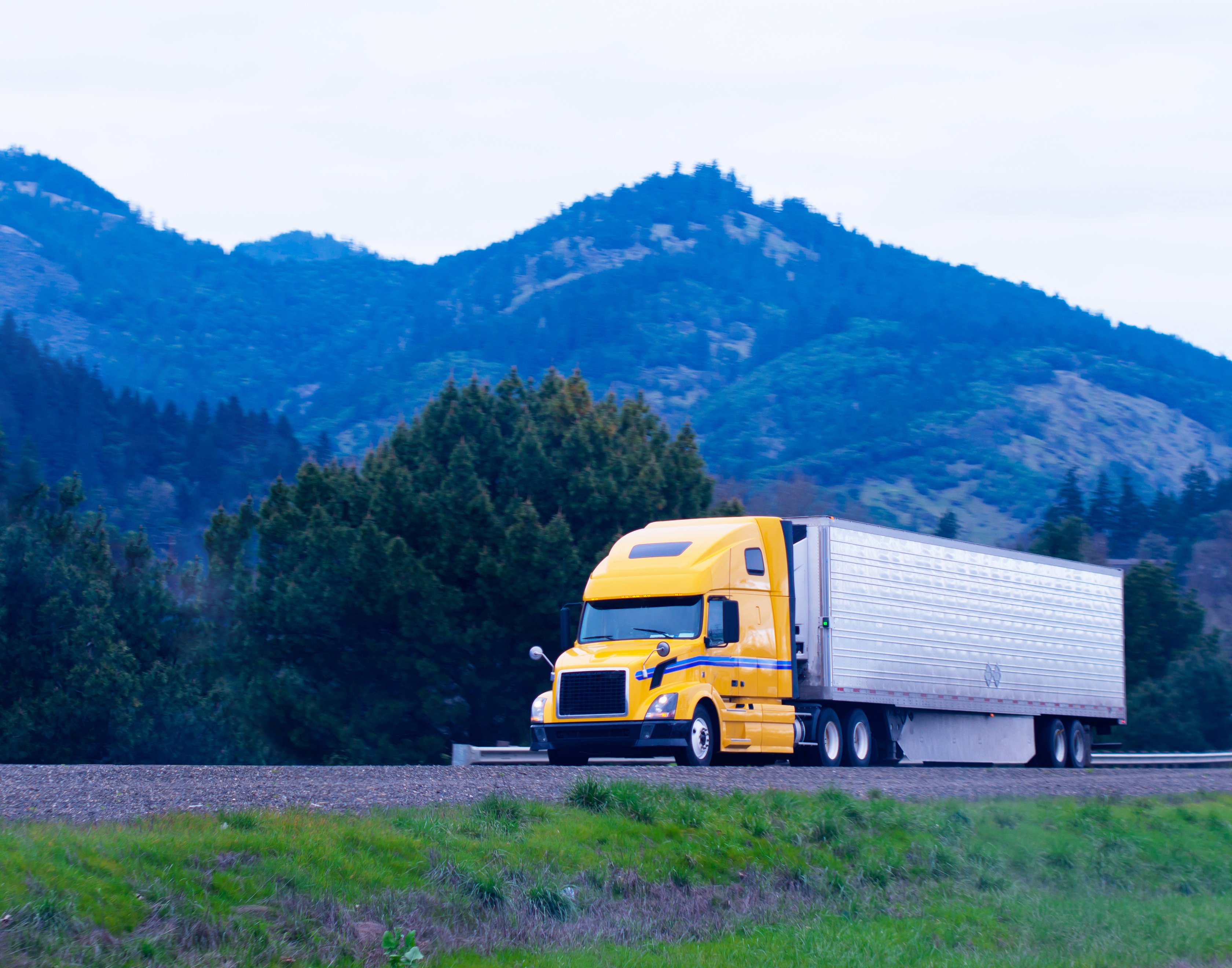
There is an AI company that's already occupying a vital niche inside the operations of many Fortune 500 businesses, stitching together trucks, factories, and job sites, yet most investors still treat it like a small telematics vendor that's working on the sidelines.
When you strip away the jargon, Samsara (IOT 3.35%) has built a tech and AI platform that helps people who do physical work get through their days with fewer accidents, less fuel waste, and less chaos. It connects cameras on trucks, sensors on equipment, badges at job sites, and a tangle of regulatory paperwork into a single environment the company calls its Connected Operations Platform.
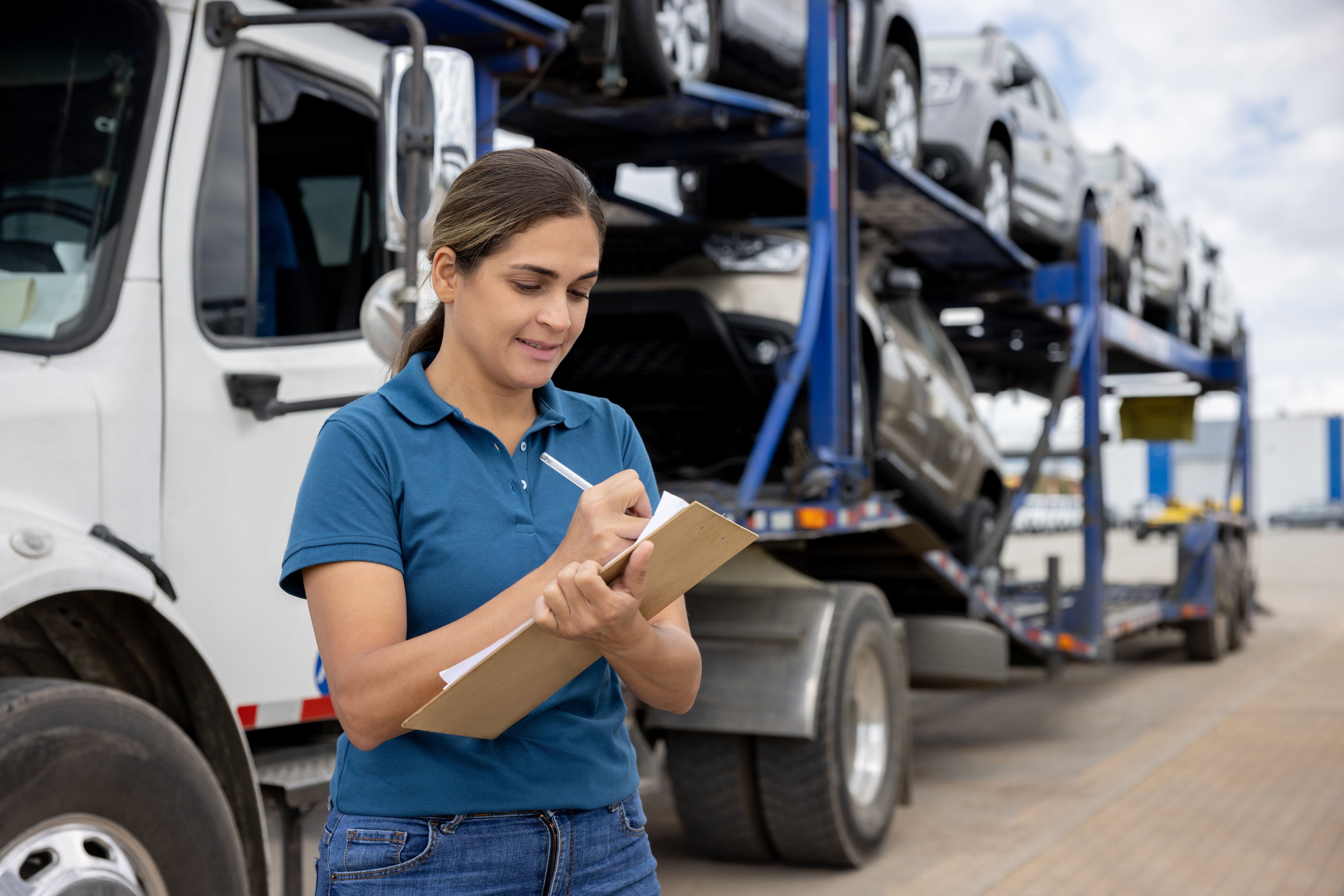
Image source: Getty Images.
On top of that data, Samsara is laying an AI layer that looks far less like "chat with your documents" and far more like "save a driver's life" or "keep a bus on schedule." Its newest public sector products, Ground Intelligence, Waste Intelligence, and Ridership Management, crunch live feeds from vehicles and sensors to help cities route snow plows, optimize trash pickup, and keep transit buses full and on time. In Europe, its Smart Compliance product replaces several siloed tools with one AI-driven system that monitors tachograph data, hours-of-service rules, and safety coaching across entire fleets.
Inside a fleet control room, all of this information can be displayed on one screen, not five. Managers need one log-in, not a folder of passwords. They get one AI assistant that can answer a question like "Which routes had the highest risk events this week?" without needing three managers to pull separate reports by hand.

NYSE: IOT
Key Data Points
Samsara is woven into the Fortune 500
Samsara's customer list reads like a who's who of the unglamorous backbone of the economy. The company now counts more than 12,000 "core customers" that each contribute at least $25,000 in annual recurring revenue, and over 3,000 customers spending more than $100,000 each year on its platform. Those big accounts include national food distributors, global construction companies, and less-than-truckload carriers that are part of the Fortune 500.
According to the company, one Fortune 500 carrier that adopted Samsara's workflows for driver coaching and efficiency saw a 99% week-over-week decrease in certain types of driver efficiency exceptions once the new processes went live. The platform has started to show up on the cultural radar, even if the stock has not. Samsara was named to the Time 100 Most Influential Companies list for 2026 in the manufacturing and logistics category, highlighted for its role in digitizing front-line operations.
G2, the big software review marketplace, ranked Samsara as the No. 1 supply chain and logistics software product of 2026, based on customer satisfaction and market presence.
The numbers are catching up to the story
The numbers from its most recent fiscal year provide a sense of scale. Samsara closed its fiscal 2026 (which ended Jan. 31) with around $1.6 billion in annual recurring revenue (ARR). That was up by nearly 30% year over year. It added a quarterly record of 17 customers paying more than $1 million in ARR and 154 net new customers paying at least $100,000. That concentration of spending from large enterprises is exactly what you would expect from a platform that's becoming a key part of the operating system for physical work.
Under the hood, the data exhaust is enormous. Samsara processes more than 14 trillion data points a year from connected vehicles, cameras, and equipment, then feeds that into AI models that power everything from video-based driver coaching to predictive maintenance alerts.
So why is the stock down 16% over the last year, and why does the company still feel like it's hidden in plain sight?
Part of it is branding. Samsara does not sell to consumers or produce splashy gadgets. It reduces accidents, lowers fuel costs, and helps make compliance workflows keep regulators off your back. Those outcomes are not the sorts of things that can be easily demonstrated in a short-form viral video.
Also holding the stock back are investors' mental habits. The market still tends to file Samsara under "telematics" or "fleet tracking," two categories associated with lower-margin commodity hardware rather than AI-rich platforms. Looking at the company through that lens misses the reality that many of Samsara's largest customers are expanding from making use of just one of its offerings -- say, dash cameras -- into using 10 or more of its modules across safety, maintenance, routing, and energy management. And once a platform becomes the default way a Fortune 500 operator sees its assets, ripping it out is no longer a simple budget decision.
None of this means Samsara is a risk-free investment. But when I look for AI sector companies that are actually embedded in the daily work of the Fortune 500 today and still trade like sellers of specialized tools rather than providers of critical infrastructure, Samsara sticks out to me.