Investors have long looked to Warren Buffett for investing inspiration. This is because the billionaire, as chief executive officer of Berkshire Hathaway for 60 years, led the company to market-beating returns over that time period. He did this by investing in industries and companies he knew well, and he put a focus on players with solid competitive advantages.
Buffett retired from the job at the start of this year and handed the responsibility over to Greg Abel -- and this new CEO has promised to follow in the footsteps of the legendary investor. Buffett also remains chairman and has said he's willing to help out however and whenever needed.
Though Buffett and now Abel have constructed and maintained a portfolio that includes many sectors, there is one sector in particular that both of these investing giants are largely ignoring. And here's why investors shouldn't.
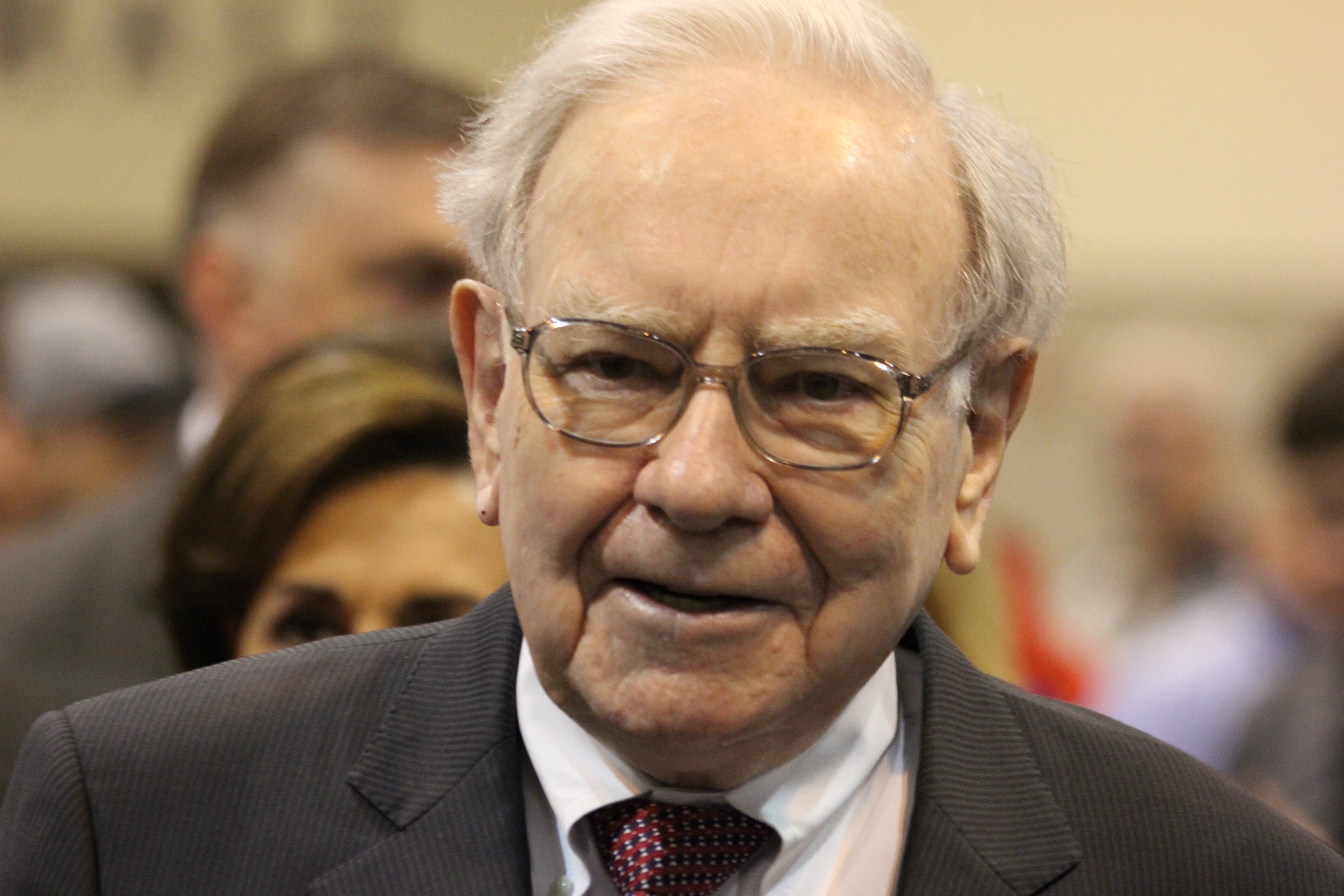
Image source: The Motley Fool.
The Berkshire Hathaway portfolio
So, first, let's take a quick look at the Berkshire Hathaway portfolio. Its biggest holding, opened by Buffett many years ago, is Apple -- Buffett doesn't generally invest in tech players, but he has made exceptions, for example, opening a position in Alphabet last year. And Abel added to it in the first quarter of this year. At the moment, these are the fund's only tech stocks.
Meanwhile, the portfolio holds a wide range of stocks across finance, consumer goods, and communications, and a couple of energy and materials players. But the one sector that's almost completely absent is... drum roll... healthcare. The portfolio includes only kidney care giant DaVita, a stock Buffett added back in 2011.
Abel closed out a position in health insurance giant UnitedHealth Group in the first quarter of the year -- Berkshire Hathaway had that position since the second quarter of last year.
So, it's fair to say Buffett and Abel are pretty much absent from the healthcare space. Why should you take the opposite path? It's important to note that, while it's a great idea to seek investing inspiration from experts like Buffett and Abel, their investing needs, priorities, and resources may be quite different from yours. So while you may follow them into certain stocks and industries, it's probably not a good idea to follow every move.
The healthcare opportunity
The healthcare industry represents a clear opportunity for investors, offering a wide range of offerings to suit many investment styles. For example, an aggressive investor might choose a pharma or biotech company operating in a high-growth area such as the weight loss drug market. Leader Eli Lilly (LLY +0.67%) has seen earnings and its stock price skyrocket, and this growth story may have many chapters left. (The obesity drug market is on track to reach almost $100 billion by the end of the decade.) Growth investors may also look for potential new entrants here, such as biotech Viking Therapeutics.

NYSE: LLY
Key Data Points
And if this is your investment style, you might find plenty of exciting possibilities in the area of biotech as these companies are exploring cutting-edge therapies -- and any wins could result in explosive gains for the stocks.
For example, Intellia Therapeutics launched a rolling submission for its gene editing candidate for swelling disorder, hereditary angioedema. If all goes smoothly, I wouldn't be surprised to see Intellia meet Wall Street's forecast for a 115% increase in the stock price over the coming 12 months.
Meanwhile, cautious investors or those looking for dividend income have a plethora of choices in the area of healthcare. Since patients need their medicines and procedures regardless of the economic background, this sector generally offers investors access to steady earnings growth over time. And this steady growth means many of these companies have the financial resources to commit to dividend payments. Some, such as Johnson & Johnson and Abbott Laboratories, have even increased their dividends for more than 50 years, winning them a spot on the Dividend Kings list.
All of this means that, though it's a great idea to follow some of the moves of investing giants Warren Buffett and his Berkshire Hathaway successor Greg Abel, it's also wise to make some independent moves. And one of them should be considering the high-potential sector of healthcare.