It's a great time to be an equity investor. The widely followed S&P 500 index (^GSPC 2.64%) is on a winning streak. It rose 24% in 2023, 23% in 2024, and 16% last year. Investors can't have any complaints.
And even with some volatility earlier this year, the benchmark has climbed 10% so far in 2026 (as of June 3). It now trades in record territory.
Here's how long-term investors should think about the market, which can help with making any necessary portfolio adjustments.

Image source: Getty Images.
It's all about artificial intelligence
This might be common knowledge now. But according to research by The Motley Fool, the "Magnificent Seven" stocks represent about one-third of the S&P 500's market cap. Therefore, it's no surprise that their collective performance has driven the market's overall returns.
Nvidia, Alphabet, and Apple, with a combined market cap of $14 trillion, are up 14% to 15% in 2026. It helps that they all reported strong financial results in their latest fiscal quarters.
The information tech sector has risen by 26%, also boosted by semiconductor stocks that are gaining thanks to the artificial intelligence boom.
Inflation and interest rates are always on investors' minds
The way capital markets work is that when interest rates are elevated or expected to rise, stocks shouldn't perform well. Legendary investor Warren Buffett once said something along the lines of interest rates being like gravity to asset prices. That's how this macroeconomic force typically impacted the stock market in the past.
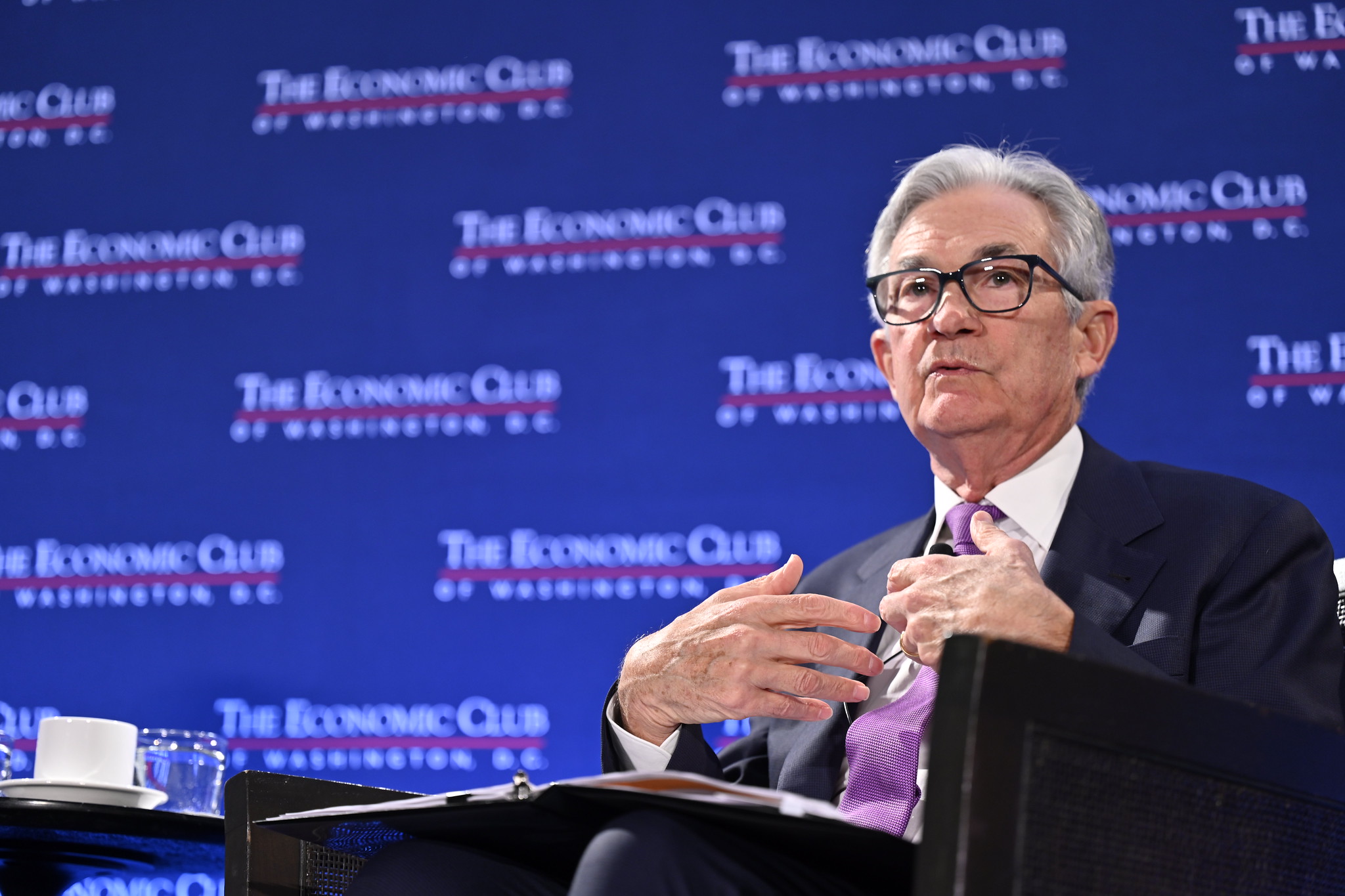
That relationship appears to have broken. The Consumer Price Index rose 3.8% year over year in April, the highest reading in almost three years. It wouldn't be a shock to see the Federal Reserve hike the federal funds rate sometime this year.
Despite what should be an unsupportive backdrop, the S&P 500 keeps ascending to new heights. Going forward, investors might want to pay less attention to inflation and interest rates.

SNPINDEX: ^GSPC
Key Data Points
Is it a good time to invest?
The S&P 500 today trades at a historically expensive valuation, with the cyclically adjusted price-to-earnings (CAPE) ratio at 42.5, a level not seen since the dot-com bubble era. Data looking at the market's starting valuation relative to returns indicates that the performance over the next 10 years will be extremely disappointing.
But it seems the naysayers have been sounding the alarm on the S&P 500's valuation for a decade now. The bulls were the ones who made money, though.
While it can be scary to invest near all-time highs, the stock market benefits patient investors, not the ones who try to wait until the next bear market to get in. Those with a long-term mindset will find that it's always a good time to invest.