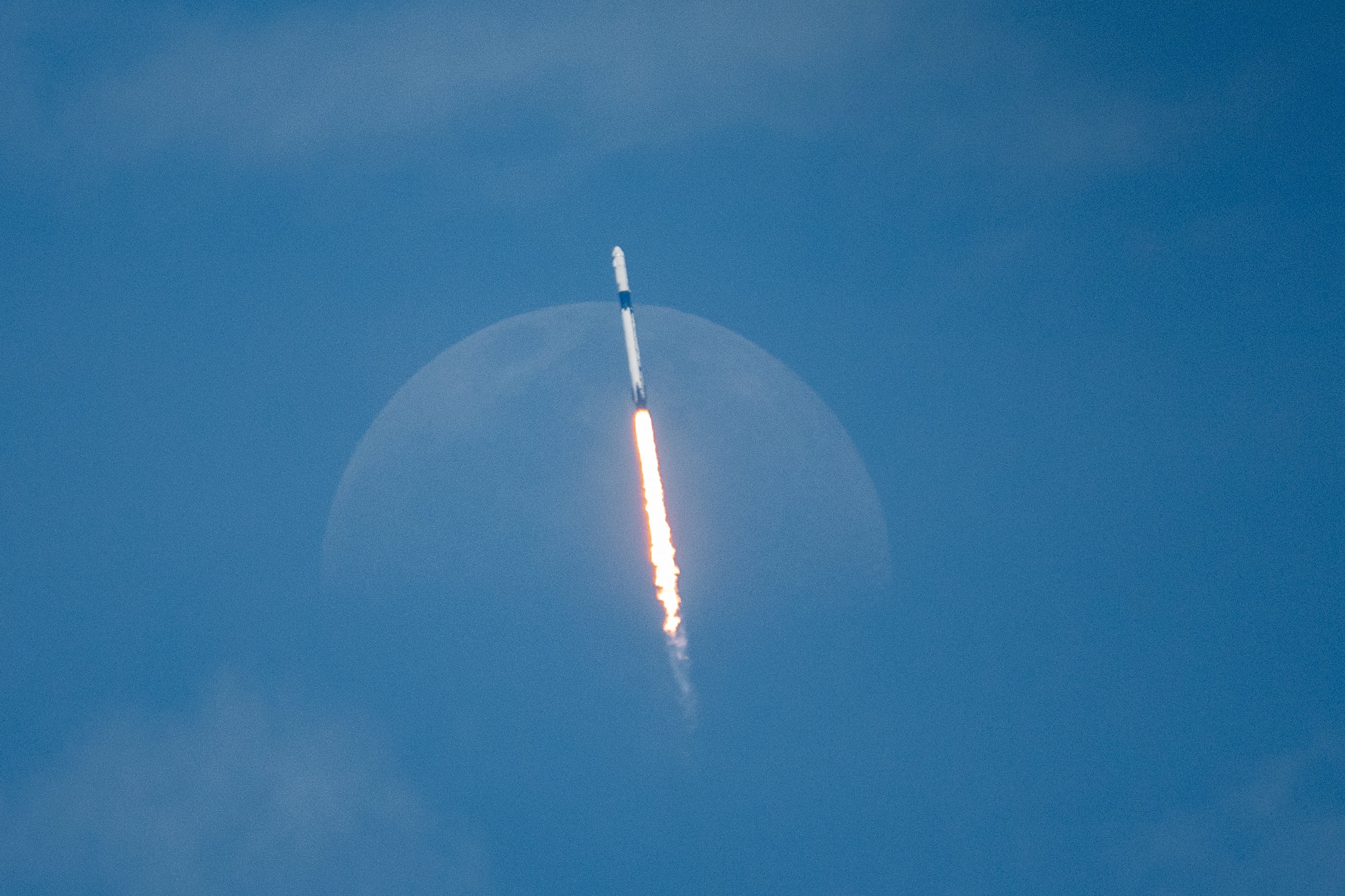
When SpaceX has its initial public offering (IPO) on June 12, it's likely to be the largest in stock market history, with the company seeking a valuation of over $1.7 trillion. Assuming it achieves that valuation, it'll instantly be the ninth-most valuable company in the world (by market cap as of June 4).
SpaceX set the price of its initial shares at $135. The price itself isn't too surprising, but SpaceX took an unconventional route by setting it at a fixed price rather than a price range and letting investors determine a specific price.
Image source: Getty Images.
SpaceX is planning to sell 555,555,555 shares, raising around $75 billion. Last year, the company made $18.7 billion in revenue, but posted a $4.9 billion net loss. If we use its start price and revenue, SpaceX would trade at nearly 94 times its revenue. For perspective on how expensive that is, here are what the "Magnificent Seven" stocks are currently trading at in relation to sales:
- Nvidia: 21.3
- Tesla: 15.1
- Alphabet: 10.7
- Apple: 10.3
- Microsoft: 10.0
- Meta Platforms: 7.5
- Amazon: 3.7
Most major IPOs are volatile in the short term after their listings, and I'd expect the same with SpaceX's stock, especially at that valuation. Investing in SpaceX at that premium is banking on the long-term appeal of its space operations, as well as on xAI (Elon Musk's other company, which merged with SpaceX earlier this year) becoming a key player in the artificial intelligence ecosystem.