SpaceX filed its S-1 with the SEC on May 20, 2026, targeting a Nasdaq listing. The company's IPO documents revealed $18 billion in 2025 revenue, with Starlink -- its satellite internet business -- accounting for $11.4 billion, about 61% of total revenue. Starlink had 10.3 million paid subscriptions in Q1 2026, doubling from a year earlier. The connectivity segment was also the only profitable division, generating $4.42 billion in income.
The IPO is expected to float roughly 5% of the company at a valuation between $1.75 trillion and $2 trillion. That means limited public float, enormous demand, and an opening price that could leave retail investors holding a very expensive piece of paper if sentiment shifts.
But you still have options to gain exposure to SpaceX.
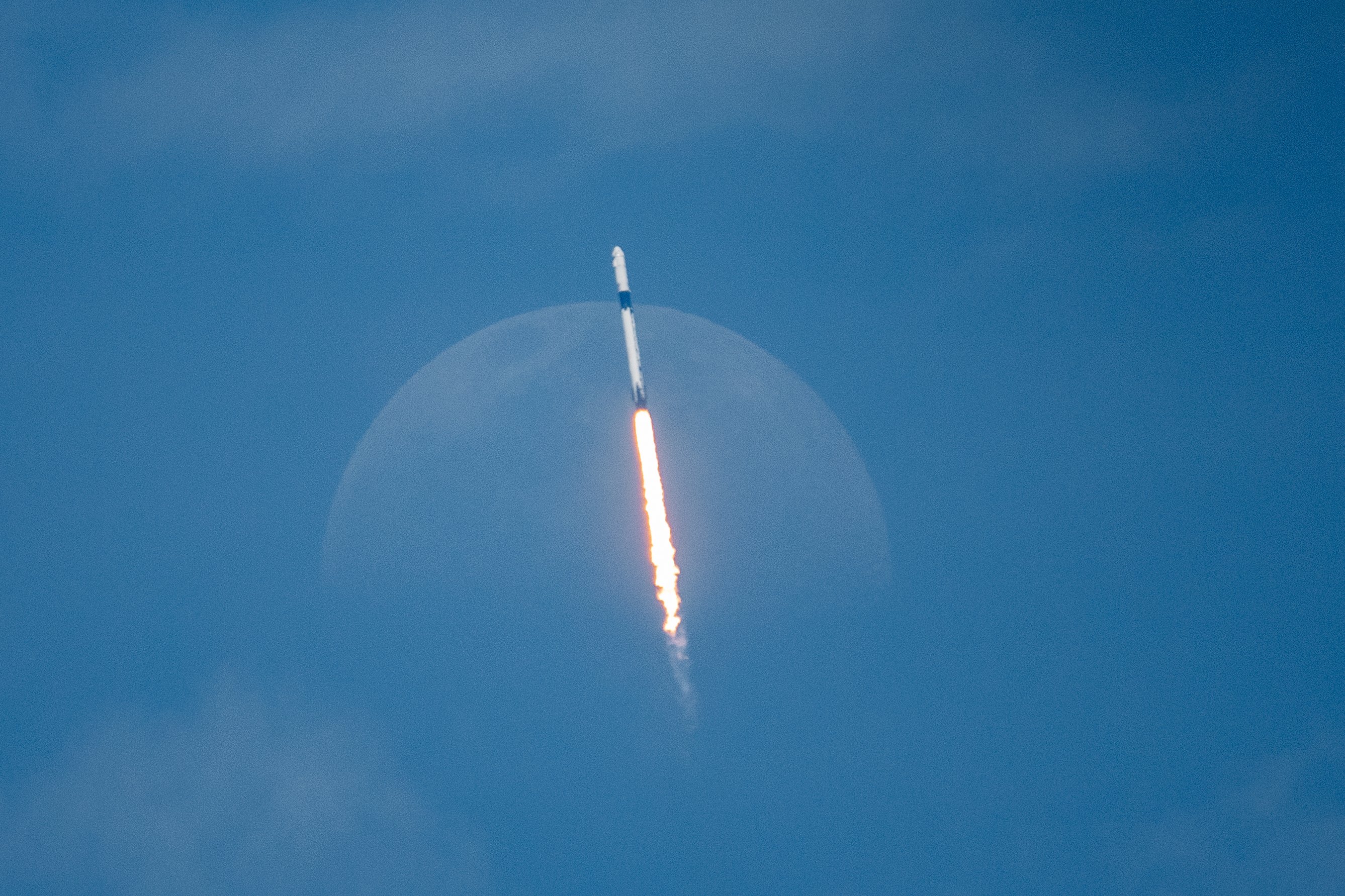
Image source: Getty Images.
The ETF route: Real exposure, real caveats
The most direct way to own SpaceX today is through the ERShares Private-Public Crossover ETF (XOVR 4.25%). As of May 21, 2026, XOVR holds approximately $292 million of SpaceX exposure through a special purpose vehicle -- structured with no additional management fee or carried interest beyond the fund's 0.75% expense ratio. The ETF requires no accredited-investor status and has grown to nearly $1.5 billion in assets. Top holdings alongside SpaceX include Nvidia, Alphabet, and Astera Labs.
There are caveats worth understanding. The SpaceX stake is held through an SPV, not direct equity. Valuations of private holdings can lag public market realities, and there has been scrutiny over how frequently the SpaceX position mark is updated. XOVR also carries wider bid-ask spreads than conventional ETFs. This is not a clean, transparent holding. Know what you're buying.
Destiny Tech100 (DXYZ 3.95%) is a closed-end fund that holds stakes in SpaceX, OpenAI, Stripe, Revolut, and Discord. It offers the broadest private-market tech exposure available to retail investors but has historically traded at large premiums to its net asset value. DXYZ surged over 21% to near its 52-week high as SpaceX IPO excitement intensified. Paying a premium for a fund whose underlying assets are illiquid and whose positions are marked infrequently is a risk that deserves respect.

NYSE: DXYZ
Key Data Points
The simpler play: Rocket Lab
Here's the angle I find more compelling for long-term investors who want genuine exposure to the space economy without the IPO lottery.
Rocket Lab (RKLB 8.26%) is a publicly traded aerospace company that builds and launches rockets and manufactures spacecraft components. In May 2026, it signed the largest launch contract in company history -- a bulk order of five Neutron launches and three Electron launches from a confidential customer, targeted between 2026 and 2029. That deal surpassed Rocket Lab's previous contract record of $190 million set earlier in Q1 2026. The total backlog now sits above $2.2 billion.

NASDAQ: RKLB
Key Data Points
Rocket Lab's Neutron rocket -- designed to carry medium-to-heavy payloads and compete in the market SpaceX helped define -- has an FCC experimental operations authorization valid through early 2027, and the company is targeting its first Neutron launch in Q4 2026. If Neutron flies on schedule, Rocket Lab stops being SpaceX's apprentice and starts being a genuine peer.
The Q1 2026 earnings call projected Q2 revenue of $225 million to $240 million, continuing the company's growth trajectory as it scales both its launch and satellite platforms businesses. These are not micro-cap numbers anymore.
The risk is real. Neutron has faced delays before. Rocket Lab is not yet profitable, and an ambitious launch timeline in the same year as SpaceX's IPO creates a crowded news environment. If Neutron slips, so will sentiment.
But if you want exposure to the space economy without paying near a $2 trillion valuation, Rocket Lab's backlog, launch cadence, and Neutron development program offer a grounded entry point into a sector that SpaceX's IPO is about to put in front of every investor on earth.