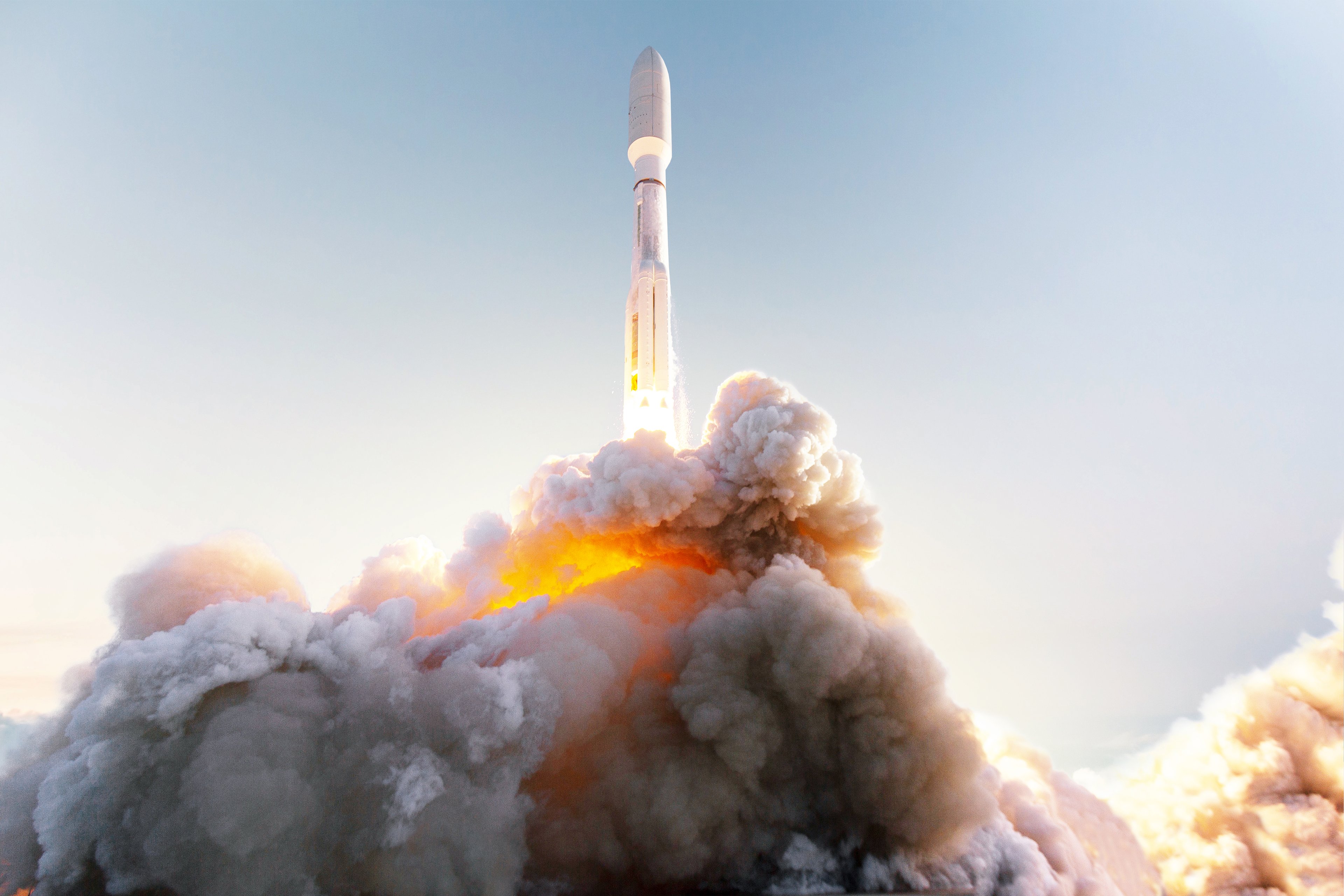
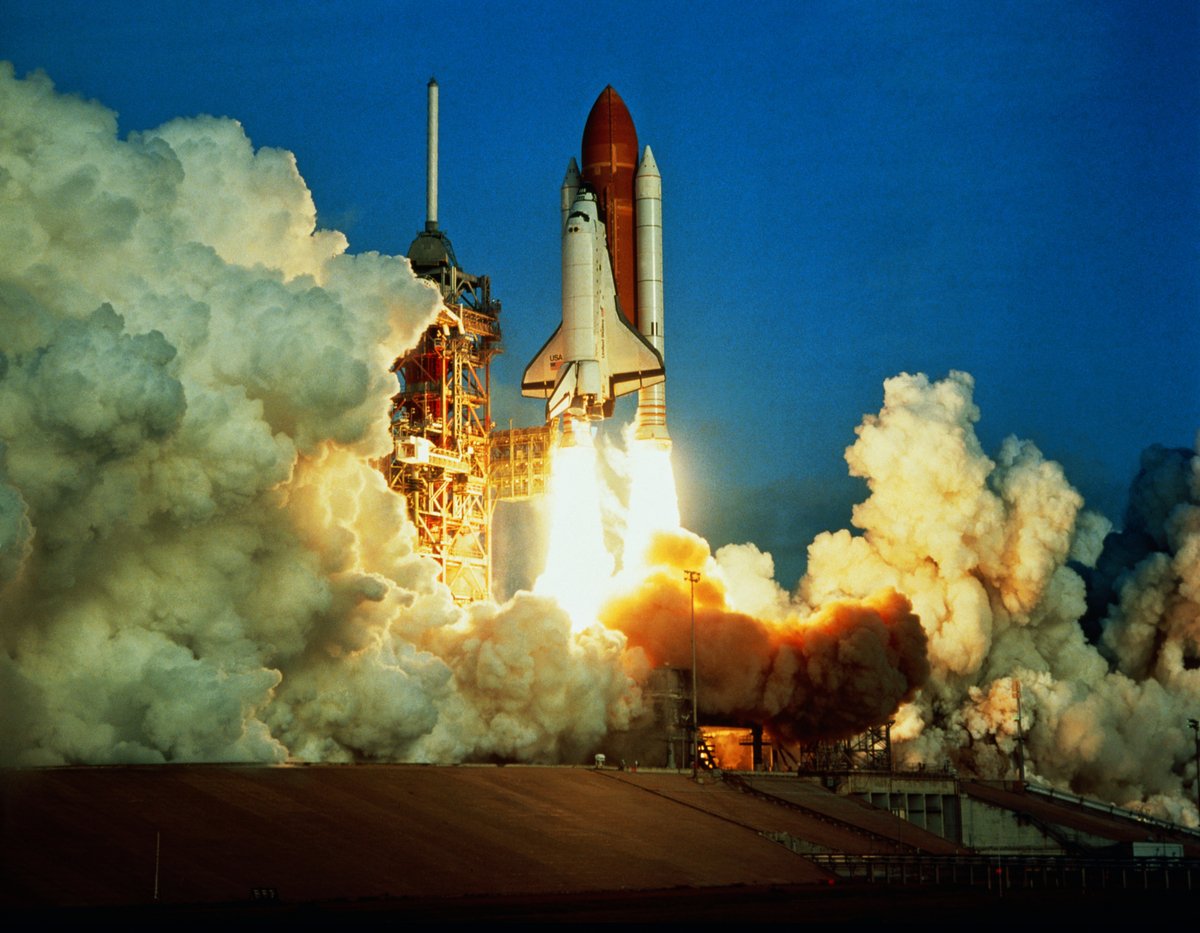
A heavily hyped initial public offering (IPO). An impressive post-IPO pop. A subsequent pullback. Investors have seen this story play out before. And they're seeing it again with Space Exploration Technologies (SPCX +3.08%).
SpaceX delivered the biggest IPO in history. Its shares soared over the next few days following the IPO. Now, though, the stock is down roughly 22% below its peak. How long can SpaceX go? What comes next for the highly followed space technology company's shares? Here's what history suggests.

Image source: Getty Images.
The IPO stock playbook
University of Florida finance professor Jay Ritter analyzed thousands of U.S. IPOs since 1980. He found that the average IPO stock jumped 19% on its first day of trading. Guess how big SpaceX's day one gain was? Pat yourself on the back if you answered 19%.
Whether or not an IPO stock soars initially, though, early pullbacks are also commonplace. That's especially the case for stocks that receive extensive media attention. For example, Tesla's (TSLA +2.57%) share price fell by more than 30% following its 2011 IPO. Meta Platforms (META 0.30%), then known as Facebook, lost more than half of its market cap in the first four months of trading.
Among the 15 largest U.S. IPOs since 2006, the average stock plunged around 50% below its IPO price at some point during the 12 months following the public listing. The average first-year returns for these stocks were roughly 33% losses.
But were long-term investors richly rewarded for being patient and waiting? Sometimes. Holding onto Tesla and Meta paid off tremendously for early investors. However, nine of the 15 largest U.S. IPO stocks have been losers for those who bought on the first day of trading. Rivian (RIVN +3.02%) is an especially instructive example, with its shares plunging more than 80% since the IPO.
What comes next for SpaceX?
Judging by the history of other major IPOs, the worst might not be over for SpaceX. Granted, the current rebound could continue for a while. However, SpaceX could decline by nearly 30% if it moves similarly to previous big IPO stocks.
One key tailwind for SpaceX, though, could be its upcoming inclusion in the Nasdaq-100 Index after the market close on July 6, 2026. All exchange-traded funds (ETFs) and mutual funds that track an index must own the index's underlying stocks.
On the other hand, SpaceX could also have a ticking time bomb on its hands. Following the company's second-quarter earnings report (likely in mid-August), 20% of eligible insider shares can be sold. This number will increase by 10% if the stock trades at least 30% higher than its IPO price during five of 10 consecutive trading days leading up to the Q2 update.
SpaceX also has other time-based IPO lockup period expirations. Insiders can sell up to 7% of shares at 70, 90, 105, 120, and 135 days following the IPO. After the Q3 earnings update, up to 28% more shares can be sold. Insider selling at high volumes would almost certainly create significant downward pressure on SpaceX's share price.
Math is more important than history.
Mark Twain is often credited as saying, "History doesn't repeat itself, but it often rhymes." It's possible this adage could play out with SpaceX, with the stock plummeting as other high-profile IPO stocks have during their first year of trading.
However, SpaceX's market cap remains above $2.2 trillion. That's an astronomical valuation for a company that generated $18.7 billion in revenue last year. Sure, SpaceX is growing. But its growth isn't enough to justify the premium pricing at this point.
I think math is more important to SpaceX than history. Unfortunately, neither looks encouraging for investors considering buying the stock on the dip.