After declining over most of 2026, gold prices are surging again. They recently climbed back above $4,600 an ounce and are at their highest levels since May. Investors who decided to keep buying during this year's pullback are being rewarded. Recent events have contributed to this, bringing the investment case for gold back into the headlines.
Gold prices are still high, but short-term momentum is strong, and investors are putting some of their portfolio assets back into safe havens. It raises the question of whether this is the early stage of another leg higher in the rally, or if it's the wrong time to chase one of the market's hotter trends.
For me, there are good reasons to believe the current rally in gold is the real deal.
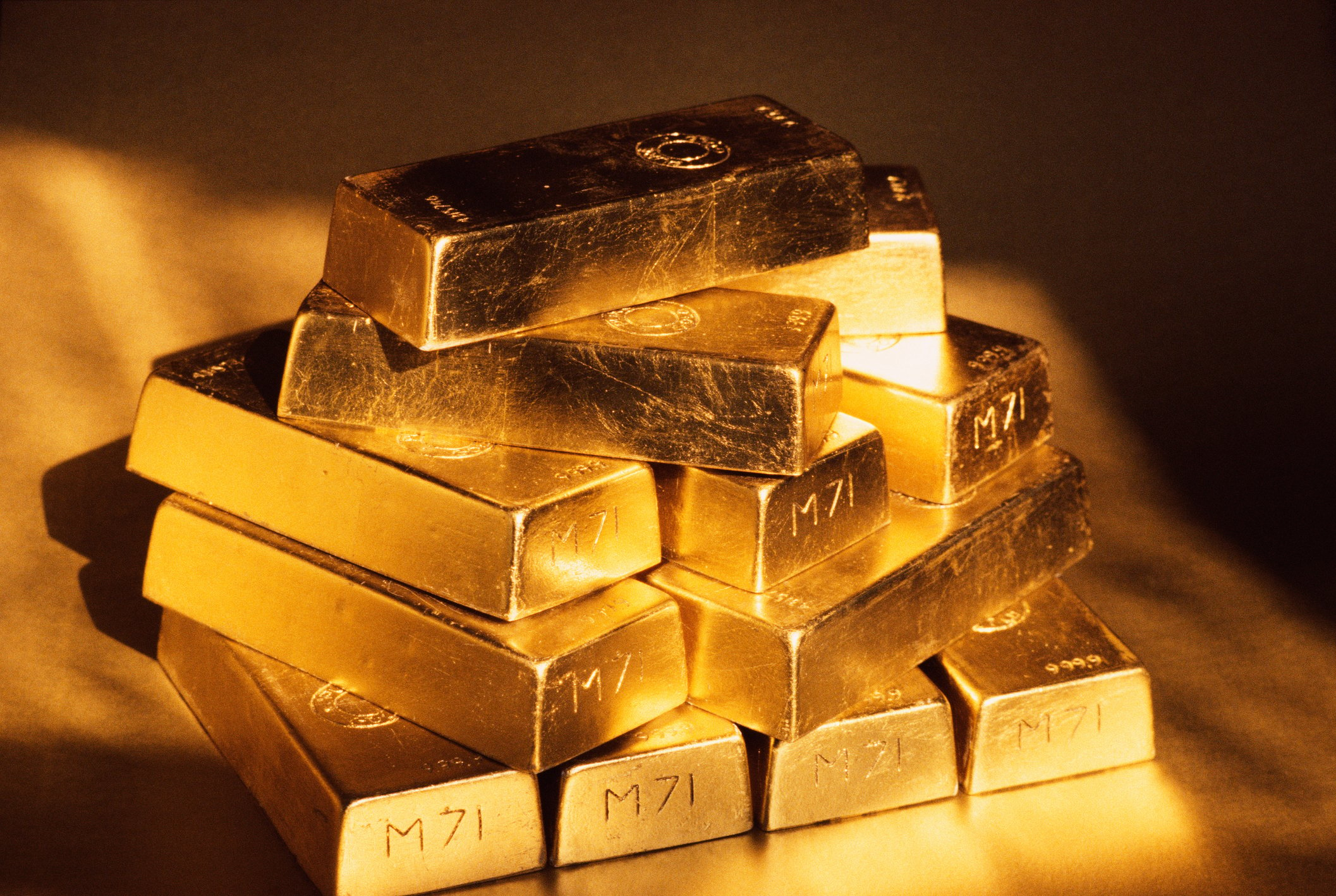
Image source: Getty Images.
Gold's biggest buyers are still stockpiling
One of the biggest reasons to believe the rally could continue is that central banks are keeping demand for precious metals high. A 2026 survey from the World Gold Council revealed the following findings:
- Central banks have purchased, on average, around 1,000 metric tons of gold annually over the past four years.
- That's about twice the annual average of the prior decade.
- More than 80% of central banks surveyed expected the level of reserves denominated in gold to be "moderately" or "significantly" higher in the next five years.
- 74% of those surveyed expect the level of reserves denominated in U.S. dollars to be "moderately" or "significantly" lower in the next five years.
That's a significant shift toward gold. As the U.S. government continues to run huge deficits (the national debt stands at $40 trillion), the demand for gold is likely to remain strong for years to come.
$4,600 gold changes the risk/reward profile
The price for gold has jumped from $4,000 only a month ago to more than $4,600 today. Obviously, that means there's relatively less value today.
The bullish argument for gold today largely rests on fiscal and geopolitical considerations. There's no indication that the U.S. is looking to shrink its deficits anytime soon. Central bank buying also indicates lower confidence in dollar stability, at least in the near term and perhaps longer. These are potentially powerful tailwinds.
The bearish argument is that those situations can be resolved. If the government somehow decides to exercise fiscal restraint or there's a resolution to the Iran war, the dollar could strengthen and undo some of the demand for precious metals. I'm thinking the bullish argument is much more cogent, although some of the upside potential for gold in those scenarios is already priced in.
Is it too late to buy GLD?
In my opinion, the clear answer is no -- but manage your expectations. Obviously, $4,600 is a less attractive entry point than where gold was a month ago, but the current environment likely makes it a solid longer-term buy. Here are two investment vehicles to consider for exposure to the precious metal:

NYSEMKT: GLD
Key Data Points

NYSEMKT: IAUM
Key Data Points
The SPDR Gold Shares ETF (GLD +0.30%) is the largest for investing in gold and has an expense ratio of 0.40%. The iShares Gold Trust Micro ETF (IAUM +0.31%) is far cheaper, with an expense ratio of 0.09%. Investors could consider a 5% allocation to hedge against fiscal uncertainty and geopolitical risks facing the world today.