Hyperscalers. It's a term we've all heard tossed around quite a bit lately -- and maybe even used ourselves -- perhaps without even knowing exactly what it means.
If that's you, I've got good news for you. That is, there's no hard-and-fast textbook definition of the word. There is an unofficial understanding of what it means, though.
To fully appreciate what a hyperscaler is, however, you should also know which companies are the biggest names in the hyperscaling business. If you are interested in investing in hyperscalers, keep the information below in mind as you research your options.
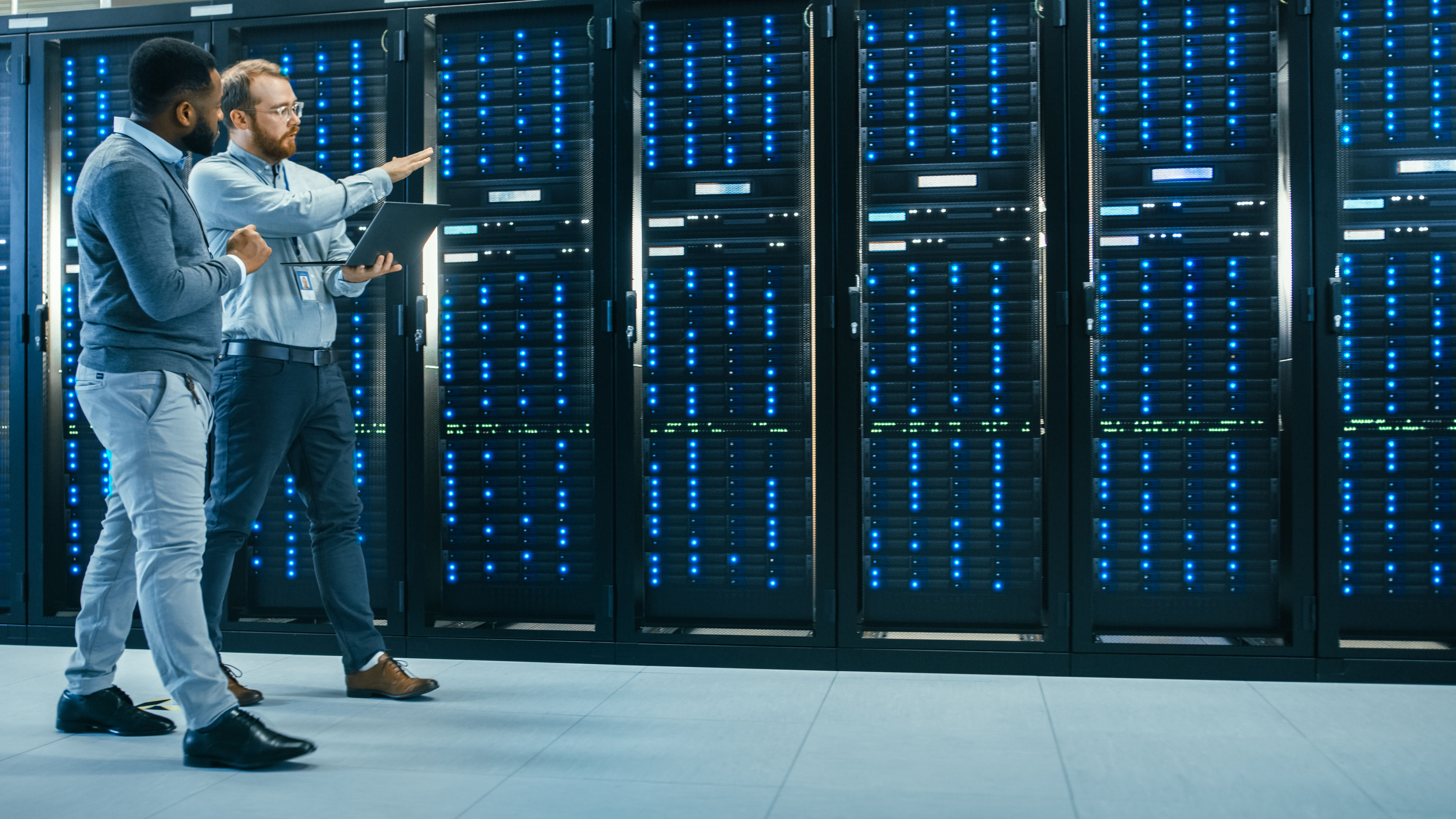
Image source: Getty Images.
Hyperscalers are data centers on steroids
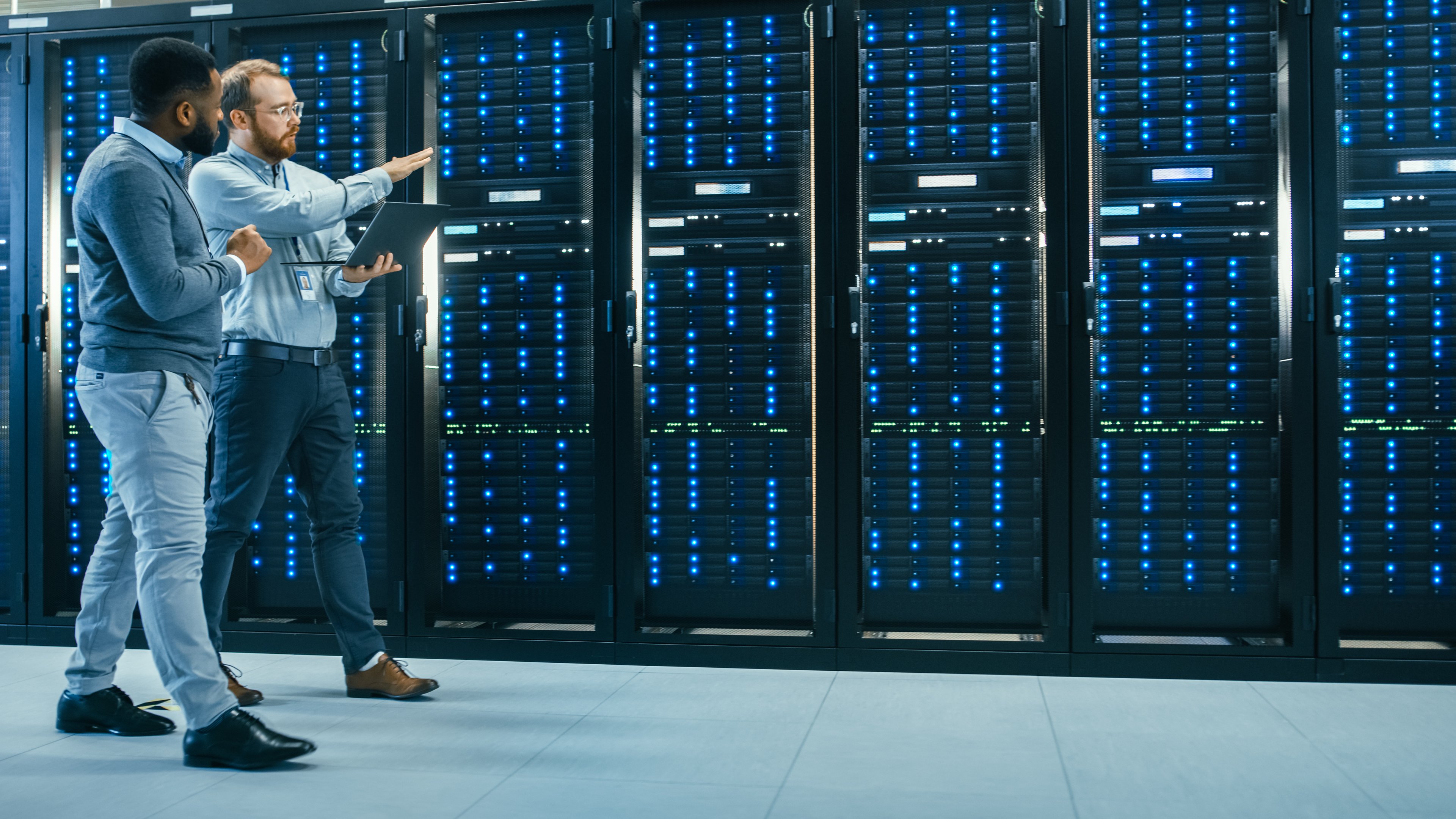
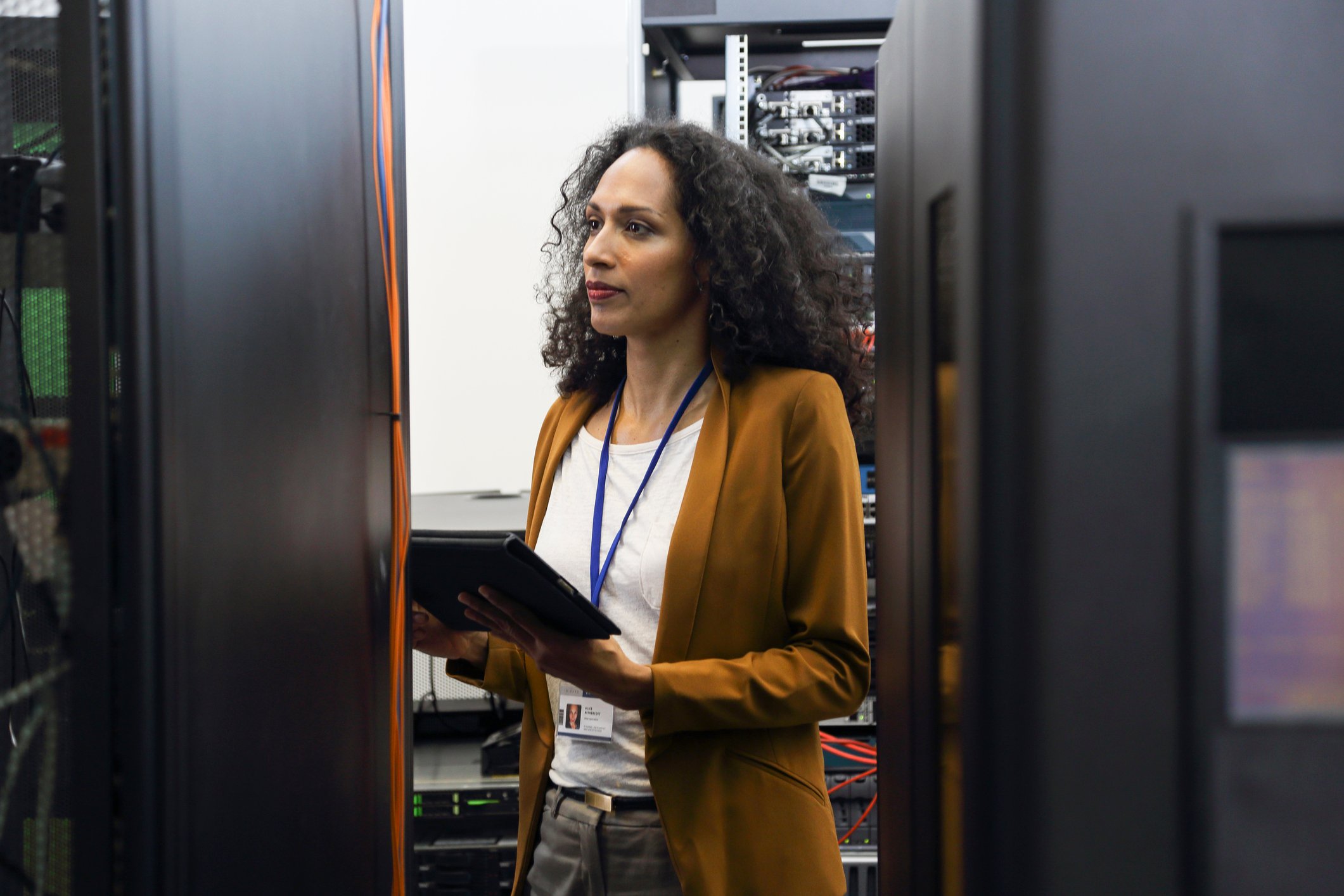
Getting straight to the point, hyperscalers are just organizations that own and operate massive data centers.
There's no specific threshold for computing capacity, power consumption, or the number of processing chips that qualifies a data center as hyperscale. Both Cisco Systems and IBM agree that a true hyperscale facility is at least 10,000 square feet and houses a minimum of 5,000 servers (although most are far greater in scale and scope). And, each of these servers can accommodate anywhere from one to several dozen actual computing processors.
As for power, at the lower end of the scale, a smaller hyperscale data center may only need a few megawatts of electricity, although many require in the ballpark of 100 megawatts. A handful of the largest hyperscale facilities can draw several hundred megawatts of electricity, enough to power a few hundred thousand homes.

NASDAQ: GOOGL
Key Data Points
Most of the data centers that have been recently constructed or are currently being planned are, of course, artificial intelligence data centers, built using higher-performance technology that can handle significantly more digital data than the previous generation of data centers. As of its latest count, Data Center Map say there are over 12,000 data centers peppered all across the planet, with nearly 4,800 of those located in the United States alone.
Not all of those are hyperscale data centers or, for that matter, artificial intelligence data centers. Numbers from Synergy Research Group indicate that only about 1,360 data centers were up and running as of the end of 2025 and would qualify as hyperscale facilities. Although Synergy's data didn't say as much, I think it's reasonably safe to presume the majority of these hyperscale data centers are at least AI-capable, handling anywhere from a few petabytes to a few hundred petabytes of digital data every day.
For reference, a petabyte is 1 million gigabytes.

NASDAQ: MSFT
Key Data Points
The usual hyperscale suspects
As I noted, knowing the companies that are leading the hyperscaler race may be even more helpful than understanding what a hyperscale facility technically is.
To this end, none of the big names in the business is particularly surprising. Amazon (AMZN +2.02%), Microsoft (MSFT +1.12%), and Alphabet's (GOOG +0.37%) (GOOGL +0.56%) Google are the industry's three biggest players, collectively controlling 63% of the public cloud market. That just means they offer remote, cloud-based access to their data center infrastructure to companies that don't want to (or can't) build their own. And again, much of this cloud computing infrastructure -- and certainly most of the more recently constructed facilities -- is hyperscaled infrastructure capable of artificial intelligence work.
It's not just Amazon, Microsoft, or Google, though. Meta Platforms (META +0.16%) and Oracle (ORCL +1.74%) are in the mix as well. While they may own fewer total hyperscale data centers, the ones they operate are, on average, similar in size to those managed by the big three names in the business. In fact, Meta's $50 billion, 10-million-square-foot "Hyperion" facility, currently under construction in Louisiana, will be one of the world's largest artificial intelligence data centers once it's completed.

NASDAQ: AMZN
Key Data Points
Apple (AAPL +0.33%) is another hyperscaler name. Although it has fewer total AI data centers, just because it doesn't run a public cloud computing business, the few facilities it owns for its own internal use are massive.
Don't forget to look overseas as well. Like Apple and Oracle, China's technology powerhouses Alibaba (BABA -1.37%) and Baidu (BIDU +0.10%) don't have many high-performance data centers. Several of the ones they do have, however, are enormously capable simply because they're enormous. For instance, an AI data center being built by China Telecom in southern China will employ 10,000 "Zhenwu" processing chips designed and made by Alibaba for the express purpose of doing artificial intelligence work. This facility will most definitely qualify as a hyperscale data center.
That being said, I still contend that Amazon, Alphabet's Google, and Microsoft will remain the leading names in the artificial intelligence data center market, with Google eventually eclipsing Amazon's leading market share due to the strong performance of its proprietary Tensor Processing Units, or TPUs.