The artificial intelligence (AI) infrastructure boom is becoming increasingly about supply bottlenecks. The companies riding these supply constraints and those with access to high-demand components are both positioned to be long-term winners.
One of the biggest bottlenecks in the AI infrastructure market right now is high-bandwidth memory (HBM), and Nvidia's (NVDA +1.34%) close relationship with memory maker SK Hynix (SKHY +0.84%) provides big upside for both AI stocks.
HBM gets packaged with AI chips, like Nvidia's graphics processing units (GPUs), to reduce latency and optimize performance. Without HBM, GPUs would spend much of their time sitting idle waiting for data to arrive, and power consumption would skyrocket. As such, they are a necessary component that gets stacked alongside a GPU die within the same protective outer package.
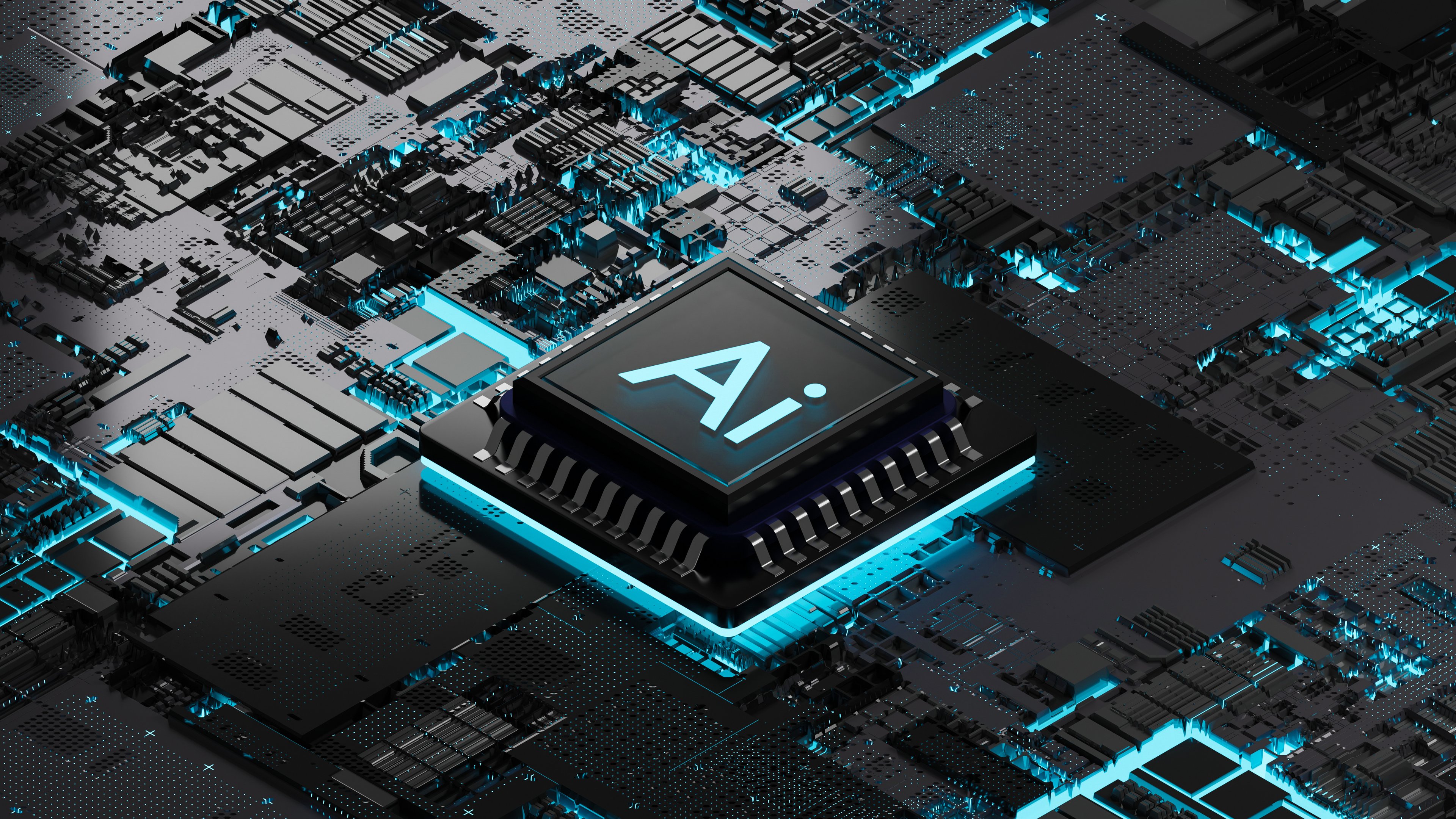
Image source: Getty Images.
A scarce resource
Right now, HBM supply is severely constrained for a few reasons. Currently, there are three major memory companies that make HBM: Samsung and Micron, in addition to SK Hynix. These companies only have so much clean-room space, and it takes years to build new ones. In addition, HBM takes upwards of three times the wafer capacity of conventional DRAM (dynamic random access memory), further adding to constraints.
And perhaps most importantly, the big three memory companies are all fighting with chipmakers to get the EUV (extreme ultraviolet lithography) machines that make the critical components for both HBM and advanced logic chips, like GPUs and central processing units (CPUs). ASML is the only company in the world that makes these machines, and it can only increase its own EUV capacity by so much.

NASDAQ: SKHY
Key Data Points
Most investors have played the HBM bottleneck through Micron, but this is probably the wrong long-term move. Micron lags SK Hynix and Samsung when it comes to HBM. However, it has actually been one of the biggest beneficiaries of the memory supercycle, as conventional DRAM and NAND (flash) prices have risen a lot more than already-expensive HBM prices due to overall market shortages and the big three memory makers putting most of their resources into HBM. Arguably, though, Micron is not nearly as well positioned long-term as SK Hynix.
The Korean memory market is the largest supplier of HBM in the world. As of the second quarter, it held a 25% market share in DRAM but a 50% share in HBM. This compares with Micron, which has a 24% market share in DRAM but only 18% in HBM. Samsung, meanwhile, has a 38% DRAM market share and 33% for HBM. As such, SK Hynix gets the largest percentage of its revenue from HBM compared to other memory companies.

NASDAQ: NVDA
Key Data Points
Close ties
It is also the main HBM supplier to Nvidia, and the two companies recently formed an important supply and co-development partnership. As part of the deal, SK Hynix will supply Nvidia with an estimated $500 billion worth of memory over the next several years. The deal is huge for both companies.
For SK Hynix, this deal gives it a huge anchor contract with the largest AI infrastructure company on the planet. The memory market has historically been very cyclical, and this deal will provide the memory maker with a lot of visibility to go out and comfortably increase capacity, knowing that demand is there. With SK Hynix stock trading at a forward P/E of 5.5 times 2027 analyst estimates, it could have a lot of room to run if its business proves less cyclical than in the past.
Meanwhile, this deal is also a huge coup for Nvidia. AI chips basically need to be packaged with HBM, and the AI chipmakers that have access to this scarce component are the best positioned to drive growth in a compute-starved world. This is one of Nvidia's sneakiest advantages and another reason the company will remain the king of AI infrastructure. With a forward P/E of below 15 times fiscal 2028 (ending January 2028), the semiconductor stock is a buy.