About the Author
The Motley Fool has a disclosure policy.
Invest better with The Motley Fool. Get stock recommendations, portfolio guidance, and more from The Motley Fool's premium services.

If you have $100,000 to put to work, you are well-positioned to achieve financial independence over time.
Your portfolio should withstand unexpected crises while also being positioned to benefit from growing sectors of the economy. With a six-figure sum, it's also important to minimize fees and taxes along the way.
Here's how to do it.
Two financial objectives should come first before putting a dollar into the market:
Before you invest any money, it's also important to think about your goals. Ask yourself these questions:
When it comes to investing, understanding your preferences and needs is important. For most investors, buy-and-hold investing is the easiest way to cope with the inevitable price volatility of the stock market.
However, if you anticipate needing the money at a predetermined time or aren't comfortable with the variables of investing, this can drastically alter the types of investment choices you make.
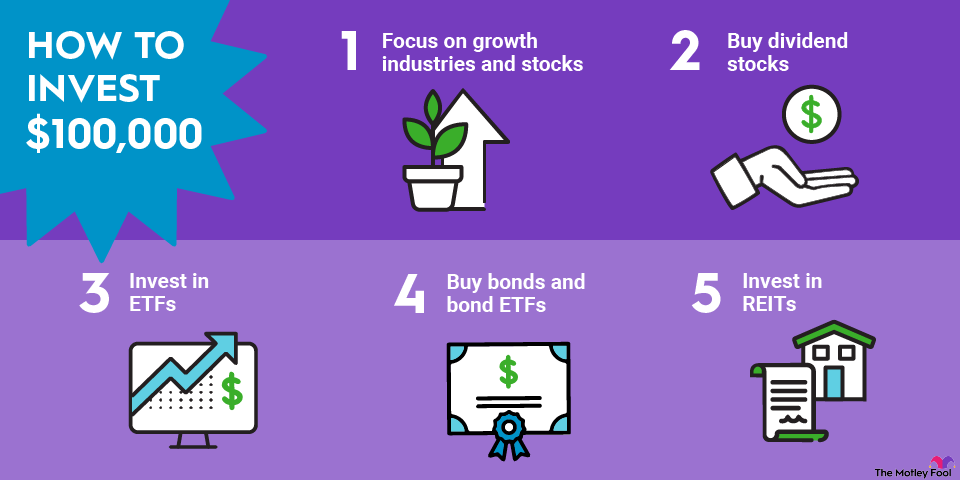
Here are some of the best ways to invest $100,000:
Growth stocks are shares in companies whose revenues and earnings are growing faster than the broader market. These businesses typically reinvest profits rather than paying dividends. They tend to carry more risk than established companies but offer greater potential returns over time.
The world economy is changing rapidly. Some industries are expanding, and others are contracting. AI infrastructure, e-commerce, semiconductors, and healthcare are among the fastest-growing industries right now. AI, in particular, is interesting because it is rapidly evolving and is literally changing the landscape of most other industries in one way or another.
Established, profitable tech companies with steadily growing revenues can make strong long-term investments, though this is by no means the only place to look for growth.
Dividend-paying stocks are a great way to generate passive income that you can either reinvest or use for day-to-day expenses. The best dividend stocks are those that consistently raise their payouts over time, a sign of strong cash flow and stable growth. A rising dividend combined with an appreciating stock price produces strong total returns over long time horizons.
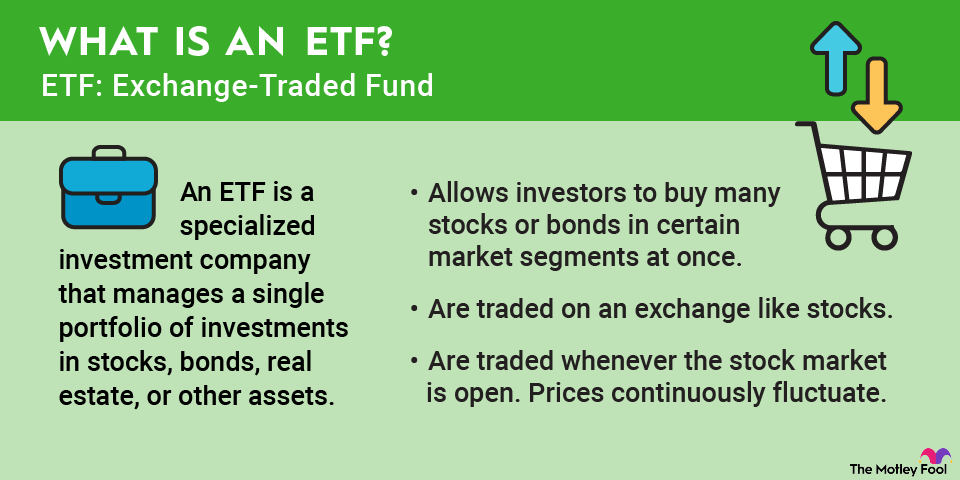
Index funds are an excellent option for investors who don't want to pick individual stocks. These passively managed funds track a benchmark index, carry low fees, and provide broad diversification in a single investment. They come in both ETF and mutual fund forms, with ETFs generally being the easier starting point for most people.
Some index funds track broad markets like the S&P 500. Others focus on specific sectors or investment styles, like growth or large-cap stocks. With hundreds of options available, there's an index fund for nearly any investment objective.
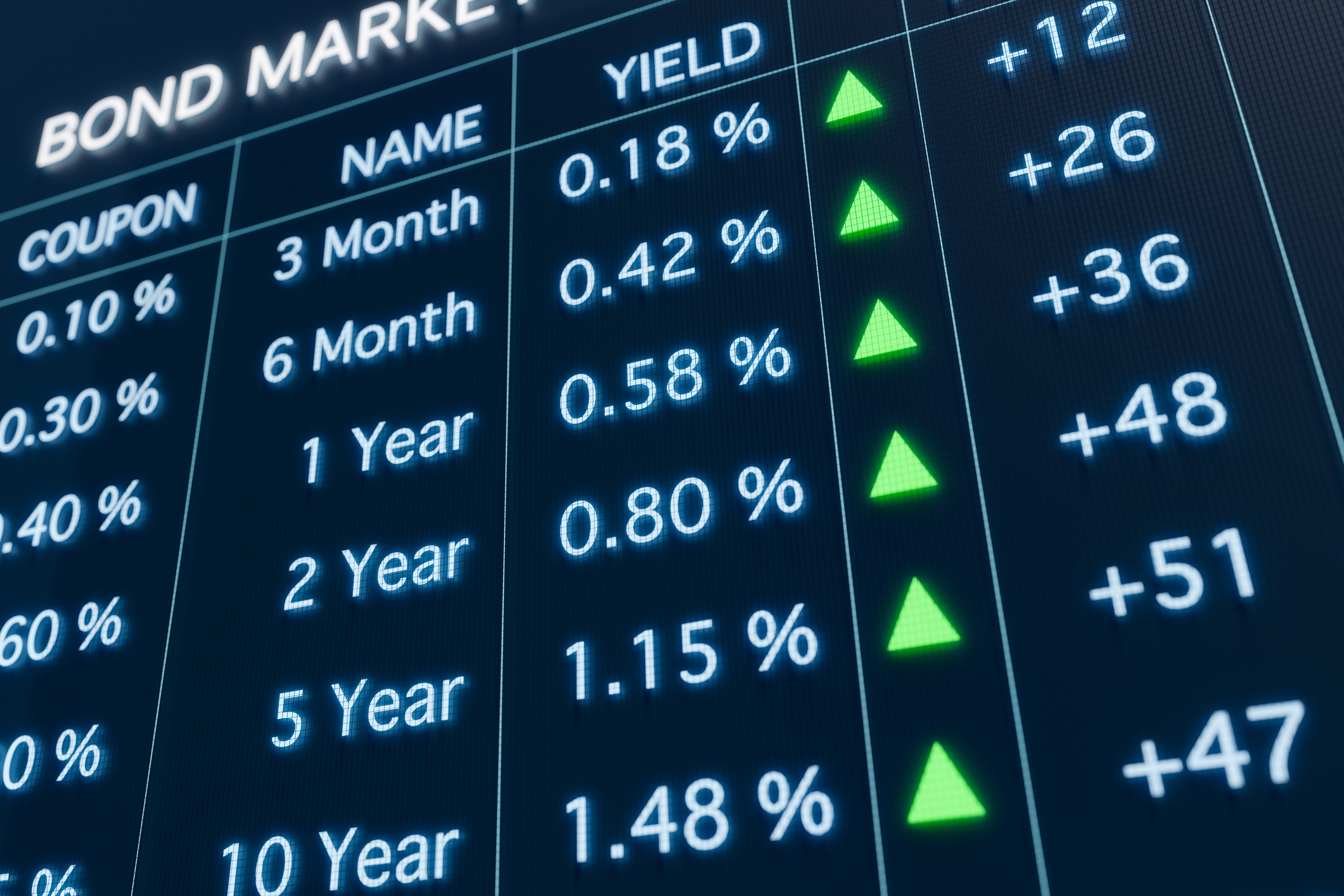
Bonds add stability to a portfolio. A bond is essentially a loan to a business or government, in exchange for interest payments over time and the return of principal at maturity. Bonds generally produce lower returns than stocks over the long run but come with less volatility, making them a useful counterweight, especially for investors closer to retirement.
Buying bonds directly can be complicated, so many investors opt for bond ETFs instead. Bonds held in taxable accounts may generate interest income taxed as ordinary income, though most municipal bonds are an exception.
Real estate is another way to diversify beyond stocks and bonds. Owning physical property can build wealth over time, but it's capital-intensive, requires active management, and isn't right for everyone.
A more accessible alternative is real estate investment trusts, or REITs. REITs are professionally managed portfolios of properties, often organized by theme, such as apartment buildings or data centers. Because REITs are required to distribute at least 90% of their taxable income to shareholders, they often pay higher dividends than most stocks. Their shares trade on stock exchanges just like any other public company.
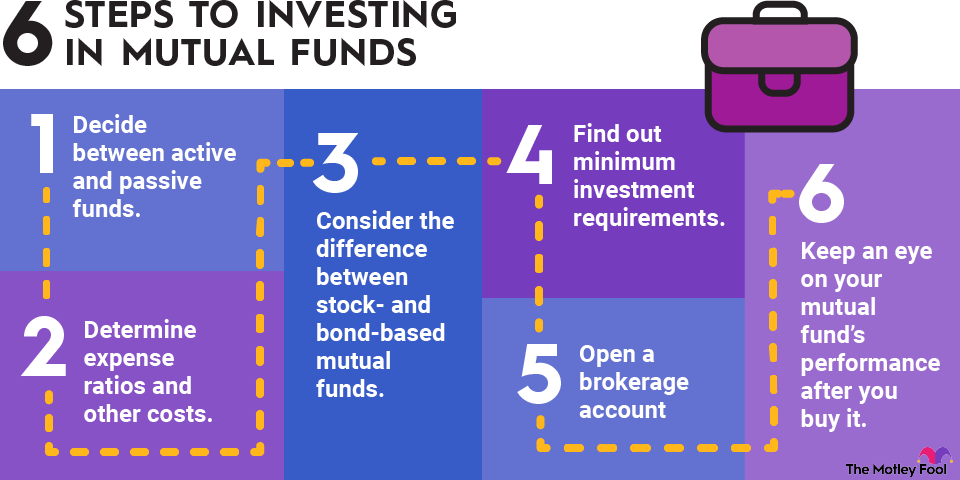
Mutual funds pool money from many investors toward a common goal. Some are passive index funds with low fees. Others are actively managed, with investment managers selecting stocks with the goal of beating the market. Actively managed funds have the potential to outperform, but they carry higher fees, and most don't beat their benchmark index over time. Research a fund's track record and expense ratio carefully before investing.
It may seem odd to think of a savings account as an investment, but in today's environment, it's worth considering. As of June 2026, savings accounts from reputable institutions were paying around 3.5%, risk-free. For money you might need access to, or as a place to park cash while you decide how to deploy it, a high-yield savings account is a sensible option.
The right investments for one person may be completely wrong for another. A few questions to guide your thinking:
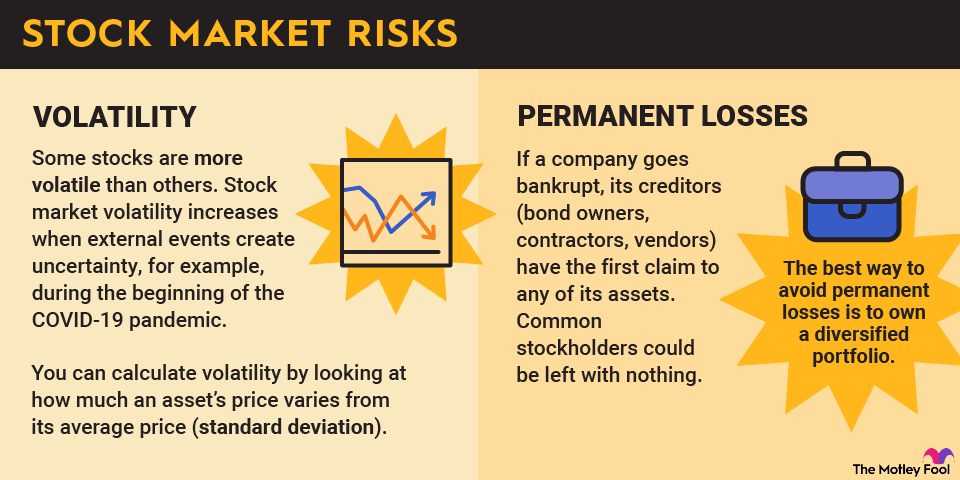
Regardless of how you choose to invest your $100,000, establishing a diversified portfolio is key to achieving your financial goals. No single company or investment should have an outsized place in your portfolio, especially when you're new to investing.
Diversification reduces the risk that your portfolio's value will change dramatically if one company or sector of the market encounters misfortune. A diversified portfolio is also more likely to generate relatively consistent returns from year to year.
A good range for how many stocks to own can be anywhere from 25 to 75, depending on your particular goals and investment style. Any less, and your portfolio can be too concentrated; any more, and you might as well buy mutual funds or ETFs. You can keep adding to your holdings and also invest in other asset classes, such as bonds, real estate, and index funds. The key is to conduct the necessary research on each investment to make sure you know what you are buying and why.
Every dollar lost to fees or taxes is a dollar that stops compounding. Two ways to limit that drag:
Investing isn't a set-it-and-forget-it activity. Review your portfolio regularly and be willing to adjust if your holdings drift out of alignment with your goals. If one investment has grown to dominate your portfolio, rebalancing back toward your target allocation is a smart move. This applies even if you're invested in relatively hands-off vehicles like ETFs and mutual funds.