The Lego Company is an iconic toy company. Its building block sets have been teaching children worldwide how to build for almost a century. The family-owned company has grown over the years by creating fresh products -- a record 314 new sets were released in the first half of 2025 -- and expanding into new areas, like digital, movies, and theme parks.
Lego's brand power and financial success likely have many fans and investors wondering whether they can buy Lego stock. Unfortunately, you can't invest in Lego because the company hasn't completed an initial public offering (IPO) yet.
However, there are many ways to invest in the toy and entertainment industries that drive Lego's growth. Here's everything you need to know about investing in Lego and similar companies.
Is the Lego Company publicly traded?
The Lego Group isn't a publicly traded company. It's privately owned by Kirkbi A/S (75%) and the Lego Foundation (25%). Kirkbi A/S is the holding and investment company of the Kirk Kristiansen Family, the founder of The Lego Group.
In addition to Lego, Kirkbi owns a 3% stake in Epic Games, a 47.5% interest in Merlin Entertainment, and has investments in renewable energy, real estate, and several other companies. Meanwhile, the Lego Foundation helps parents and educators use the power of play to improve learning for millions of children.
When will the Lego Company IPO?
The Lego Company didn't have an IPO on the calendar as of late 2025. The company might never go public. It has been a private, family-owned company for more than 90 years.
IPO
Is it profitable?
Even though Lego is a private company, it publishes its financial results. The company last reported its results in August 2025 for the first half of the year.
The Denmark-based company's revenue rose 12% compared to the first half of 2024, and its operating profit and net profit both grew 10%. The company also produced strong free cash flow, which enabled it to continue investing in building new factories and expanding its facilities and offices.
Lego's ability to generate strong profits and cash flow enables it to self-fund its growth. It doesn't need capital from outside investors, which has allowed it to remain a private, family-owned company.
Alternatives to the Lego Company
Although you can't invest directly in the Lego Company stock, you can still invest in the toy industry through one of its competitors.
The Walt Disney Company
The Walt Disney Company (DIS +2.99%) is a media and entertainment giant. The company sells consumer products like toys, operates theme parks, and turns its characters into feature films and shows.
The company's portfolio of beloved consumer brands generated almost $72 billion of revenue during its first three quarters of 2025, 5% more than the previous year. In that same period, Disney produced more than $7.5 billion in free cash flow.
Hasbro
Hasbro (HAS -1.45%) is a leading toy and game company. Its portfolio of iconic brands includes Magic: The Gathering, Dungeons & Dragons, Nerf, Transformers, Play-Doh, and Peppa Pig.
Hasbro has refocused its strategy in recent years to grow the market share of its core brands, which led the company to sell its film and TV business in 2024 to concentrate on products that have made it great over the years. Although it will continue to develop and produce entertainment based on its characters, it won't be in the production business.
Mattel
Mattel (MAT +1.63%) is a leading toy company with a growing entertainment business based around its brands. The company's portfolio of iconic brands includes Barbie, Hot Wheels, Fisher-Price, American Girl, Thomas & Friends, UNO, and others. The company's strategy is to continue growing its intellectual property–driven toy business and expand its entertainment offerings.
How to buy stocks similar to the Lego Company
Investors who want to buy one of these Lego alternatives can purchase shares in any brokerage account. Here's a step-by-step guide on how to invest in stocks like the Lego Company.
- Open your brokerage account: Log in to your brokerage account where you handle your investments.
- Search for the stock: Enter the ticker or company name into the search bar to bring up the stock's trading page.
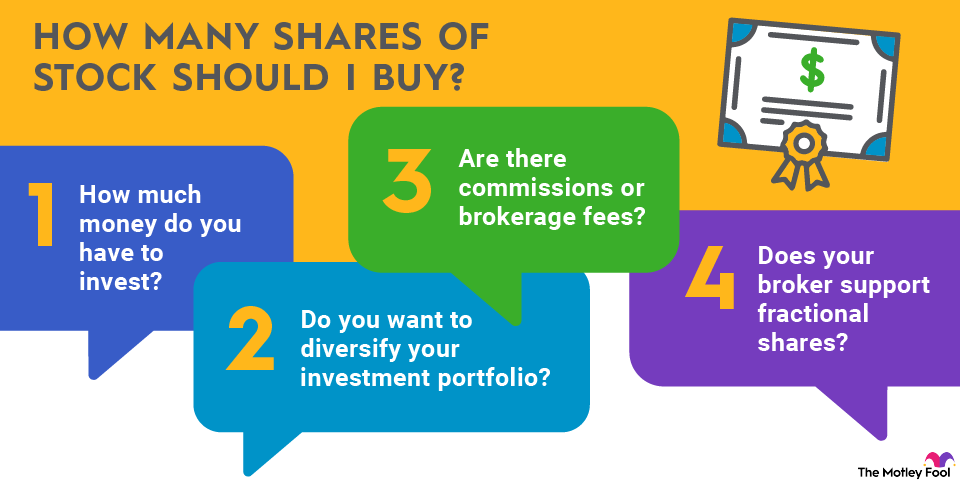
- Decide how many shares to buy: Consider your investment goals and how much of your portfolio you want to allocate to this stock.
- Select order type: Choose between a market order to buy at the current price or a limit order to specify the maximum price you're willing to pay.
- Submit your order: Confirm the details and submit your buy order.
- Review your purchase: Check your portfolio to ensure your order was filled as expected and adjust your investment strategy accordingly.
Should you invest in the Lego Company?
Since the family has controlled the company for more than 90 years, outsiders might never be able to invest in its stock.
However, you can invest in the trends driving its growth by buying shares of entertainment and toy industry peers. Unfortunately, the toy and entertainment industry has been challenging for investors in the recent past. Shares of Disney and Hasbro have lost value over the last five years, while Mattel has lost investors' money over the past decade.
On a more positive note, all three companies are working on strategies to improve their profitability. They have all cashed in on the value of their characters by bringing them alive through various forms of entertainment, including movies. Meanwhile, Disney is betting big on streaming.
The bottom line
People who love Lego can't invest in the toy company because it's a private, family-owned company. However, they can still invest in the toy and entertainment sectors through peers like Disney, Mattel, and Hasbro. Although they've underperformed in more recent years, they have strategies they believe will grow value for their shareholders over the long term.
Related investing topics
FAQ
Investing in the Lego Company FAQ
About the Author