Taken together, these investments look very promising and are attracting new investors, who are driving the stock price back up. Between mid-2025 and July 2026, it had gained more than 20%, though it remained well below COVID-19 pandemic highs. Still, at this rate, those losses could be easily recovered with patience and time.
2026 forecast
Wall Street analysts are mixed on what 2026 holds for UPS. Although the average price target is currently set at $114.24, the stock has already climbed to $104.56 and may not have further to go right away. Despite that, 14 of the 29 recommendations for July were Buys, and 12 were Holds. Only three analysts were convinced that this stock is going nowhere.
CoinCodex, a technical trading website, tends to agree, placing the average annualized price for the stock at $98.06 and a high of $113.18 this year.
But the UPS story isn't really a 2026 story. It's a story of a brand rebuilding and setting itself up for huge future success. Buying today is a gamble that the company will succeed.
2030 forecast
There's a lot that will have to go right for UPS to be a big winner in 2030, but the company is already on its way with its new small business and healthcare initiatives. Even so, that's not enough to convince CoinCodex to give credit where it's due – the site only predicts an average annualized price of $56.64 for 2030.
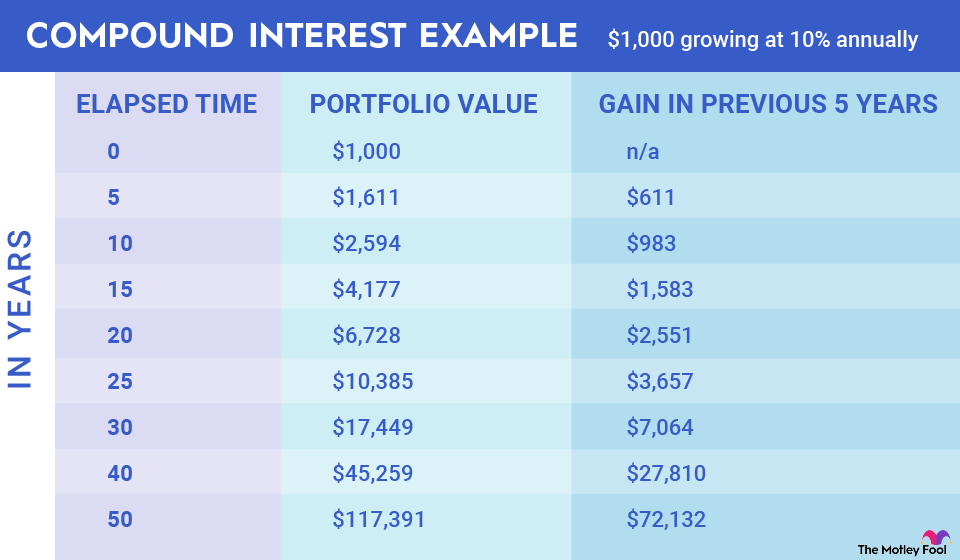
However, with the recent successes and last year's 15% increase in its stock price, I am hard-pressed to believe that UPS is just experiencing a temporary burst of energy before its demise. A conservative CAGR of 8% between now and 2030 should take it to around $142; a more optimistic CAGR of 12% would put it at $164 in 2030.
If that growth is realized, the combination of the current dividend yield of 6.22% and the gain in the stock price should make it a pretty solid investment. It's a company that has figured itself out time and time again. There's no reason to believe the ship is sunk when it's working this hard to right itself.
Key drivers of UPS's stock performance
UPS stock has suffered significantly over the last five years. Its price was run up during the beginning of the pandemic, when no one could see past the immediate world where everything was being delivered in mass quantities, and partnerships with companies like Amazon were being formed. Maybe that was far too much hype, because it's come back to earth in a big way. Here are some key drivers to watch.
- The Amazon glide-down. The Amazon glide-down definitely affected investor confidence. Many people were betting on the Amazon-UPS combo, which seemed to make sense at the time. But the reality was that the packages UPS delivered for Amazon were low-margin and required significant effort to manage. They cost too much relative to the benefit, so shedding Amazon as a partner was actually beneficial for UPS, even if it seemed catastrophic in the moment.
- Shopify integration. The addition of the Digital Access Program has given UPS a whole new consumer base that isn't paying bulk rate for millions of packages flying through a complicated and costly system. Although small-to-medium businesses that use the program get a discount, it's nowhere near as deep as the cut Amazon got, and this is already showing in $1B+ in revenue for three quarters in a row.
- Healthcare logistics build-out. In addition to the DAP, UPS has built 27 temperature-controlled cross-dock facilities, making it the only carrier with end-to-end supply chain solutions for complex healthcare parcels, including mailed pharmaceuticals, which can be very delicate and easily damaged, yet are vital for patients and hospitals alike. This program has generated $3B+ in revenue for the last two quarters.