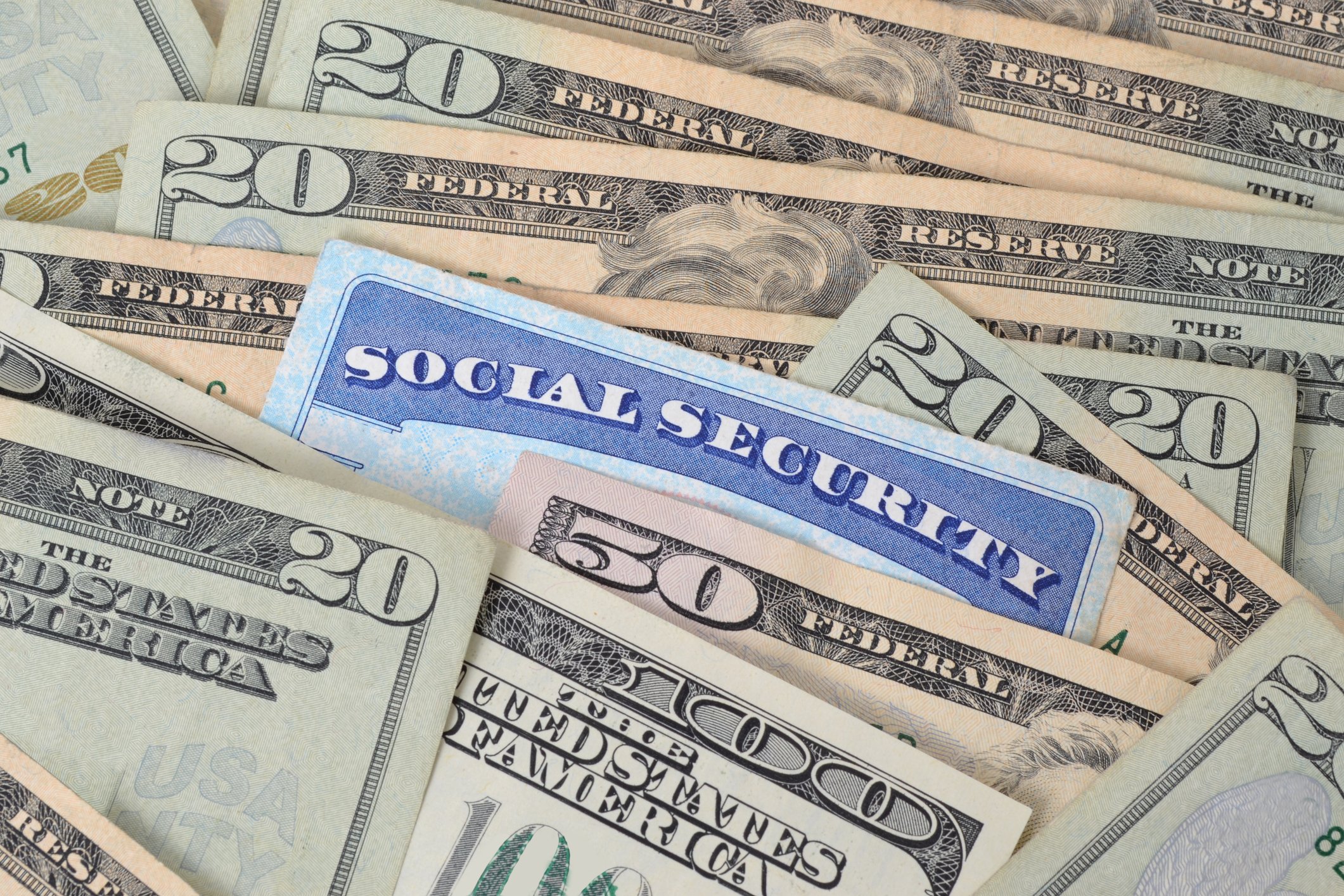
The Office of the Inspector General is warning Social Security recipients about letters that are going out, purportedly from the Social Security Administration (SSA). If you receive one, you can count on it to look official. You can also count on it to be threatening. Letters received so far have threatened to suspend Social Security benefits and even Social Security cards unless the recipient follows their instructions.
Further, a letter may cite a fabricated Supreme Court case to scare you into revealing private information. And that's the entire point: to get enough personal information from you to steal your identity, gain access to your money, and possibly even take over the deed to your home. Or the scammers may simply want you to pay them to go away.
Image source: Getty Images.
Just when you think Social Security scams can't get any more devious, scammers kick it up a notch. For them, it's a matter of numbers. They don't need everyone to fall for the official-looking letter, just enough to keep them in business.
If you're unfortunate enough to receive a letter from an outfit claiming to be the SSA and demanding information, here's what you should do.
Know what to look for
You didn't spend years planning for retirement only to allow scammers to steal your hard-earned money. The first step in protecting yourself is to know what to look for. There are several ways to spot a scam letter:
- Threats are made: Someone telling you that they can suspend your benefits or sue you if you don't comply is a threat. It's also a good sign that someone is trying to scam you out of money.
- There's an urgency to the letter: Any time someone demands you release personal information "right away" or make an immediate payment, it's almost certainly a scam.
- You're asked to pay in unusual ways: For example, the scammers may tell you that you owe money and need to pay via a gift card, wire transfer, prepaid debit card, or cryptocurrency. The point in asking you to pay that way is to ensure the money can't be traced back to them.
Outsmart the scammers
The last thing scammers want you to do is remain calm enough to check them (and their bogus story) out. However, that's exactly what you should do.
- Verify: If you're at all concerned that the letter may not be legitimate, contact the SSA directly at 1-800-772-1213 or visit a local office.
- Keep your head: Remember, the SSA will not threaten you. In addition, it won't demand payment via a gift card, cryptocurrency, prepaid debit card, or wire transfer. Finally, the SSA would never threaten to suspend your Social Security card.
- Don't respond: You never know when a scammer will mix things up and try to call you or contact you through email or social media. No matter how you hear from a scammer, do not respond.
Finally, report any suspicious activity to the SSA and file a complaint with the Federal Trade Commission (FTC).
You've worked too hard to get where you are today to let some scammer gain access to your cash or retirement accounts.