For many people, retirement goes something like this: Work a full day. Stop. Shut down your computer. Go home. Be retired.
That may be oversimplifying things, but many people take a "hard stop" approach to retirement. They go from working full-time to not working at all without easing in.
If you're thinking of retiring in 2027, I'm here to tell you that a phased approach could make the transition easier.

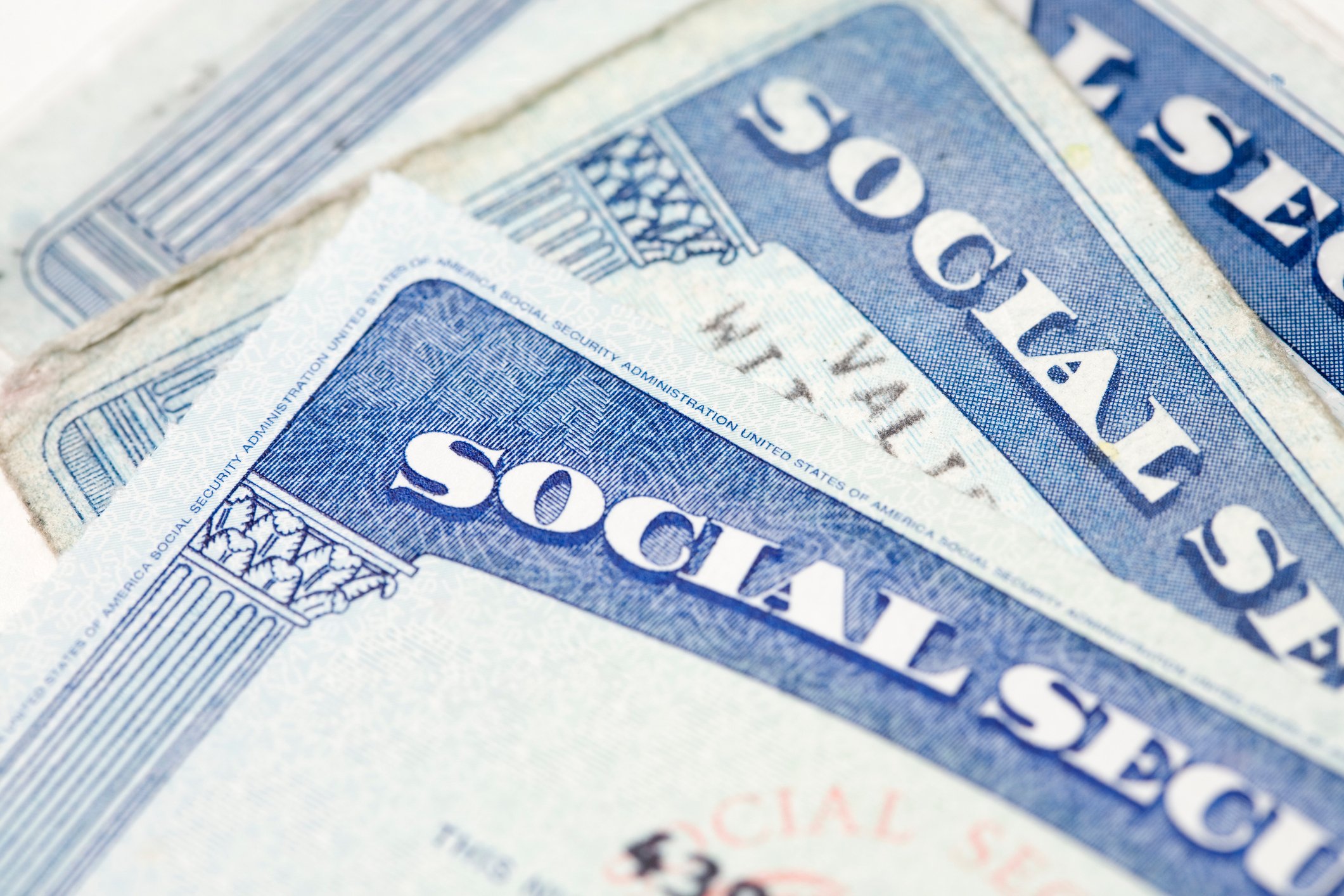
Image source: Getty Images.
Why easing in could work to your benefit
Easing into retirement by shifting into part-time work for a period of time has its advantages. First, you'll get a sense of what it's like to live on a smaller paycheck. And that could help you avoid financial stress later on.
You may, for example, think you can get by on a modest Social Security benefit coupled with retirement plan withdrawals. But after giving a smaller paycheck a trial run, you might realize you don't have enough income to cover your costs and do all the things you want to do.
You're better off learning that while you still have some job-related income coming in. That way, you can continue working part-time for longer if needed to boost your retirement savings and make the numbers work better for you.
Another reason to ease into retirement? You'll see what it's actually like to have many extra hours to fill.
The idea of having tons of free time can sound exciting when you're used to a 40-hour grind each week. But once you're no longer holding down a full-time job, you may realize that keeping busy takes effort -- and in some cases, money.
Again, it's better to navigate that situation while you still have a partial paycheck, and while you still have a job to anchor your weeks. If you find, for example, that you don't like having a lot of downtime, you can research options for keeping busy while actually still being somewhat busy.
Jumping right in may not be the best approach
After decades of hard work, you may be eager to bring your career to a close in the new year and embrace retirement fully. Before you do, consider a phased approach if your workplace supports it, or if you're able to pivot to some type of part-time role for the time being.
You may find that easing in allows you to test the waters and work out the kinks so that once you're ready for full-fledged retirement, it's a much smoother adjustment.