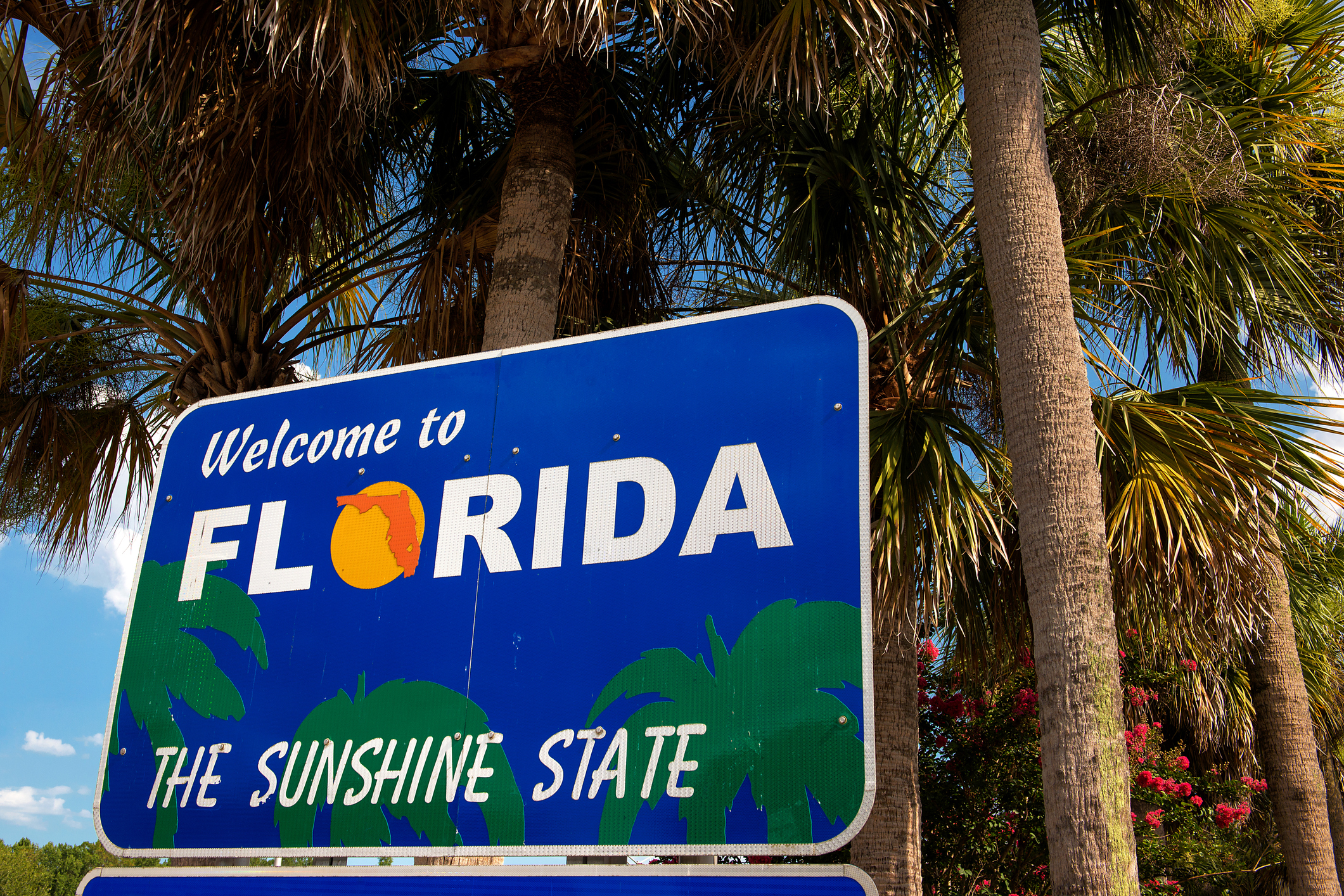
3. Florida
The Sunshine State is a popular place for retirees -- and for good reason. It has no individual income tax on any income, with median property taxes on the lower end (plus longtime residents can qualify for a large exemption), and its average sales tax rate of 6.98% is lower than that of many states with low or no income tax. It's also favorable for heirs, with no estate or inheritance tax.
4. Iowa
The Hawkeye State transitioned to a flat income tax of 3.8% and completed the repeal of its inheritance tax in 2025. It also has no estate tax, and residents 55 and older don't pay income tax on retirement income.
Iowa's property tax rate is on the higher end, though lower property values offset the median property tax bill. If you intend to own a higher-value property, you may want to factor in a higher tax bill.
5. Nevada
With some of the lowest property taxes in the country, no state income tax, and no inheritance or estate taxes, Nevada is a state that plenty of people love to retire to.
It does have some of the highest state sales tax rates, although groceries and prescriptions are exempt. On balance, there are several tax advantages for retirees in Nevada.
6. New Hampshire
The Granite State has no state tax on regular income and no tax on Social Security or pensions. New Hampshire previously taxed interest and dividend income, but repealed that tax in 2025. There is also no state sales tax, estate tax, or inheritance tax. However, New Hampshire has some of the highest median property taxes and property tax rates in the U.S.
7. South Dakota
The Mount Rushmore State is one of a handful of states with no income tax, a benefit that is particularly beneficial for retirees. It also has no inheritance or estate tax and a relatively low combined average state and local sales tax rate of 6.11%.
Relatively low property values mean a lower median property tax bill, but its effective property tax rate of 1.02% is on the higher end. That's an important consideration if you're likely to own a high-value property.
8. Tennessee
One of the most tax-friendly states, even from this list, the Volunteer State has no state income tax, no estate or inheritance tax, and one of the lowest median property tax bills and property tax rates in the country.
You may end up paying more on sales tax, though. Tennessee charges a 7% state sales tax, while local sales tax can be another 2.75%. The average Tennessean pays 9.61% in sales tax, the second-highest rate behind only Louisiana.
9. Texas
The Lone Star State doesn't have an income tax, estate tax, or inheritance tax. Texas is one of the most expensive states for property taxes, and its combined state and local tax rate of 8.2% is also on the higher end. Still, no income tax and affordable housing make Texas a great place to retire.
10. Wyoming
While it's 10th on our alphabetical list, Wyoming is one of the -- if not the -- most tax-appealing states for retirees to consider. Not only does it lack state income tax on any source of income, but it also has no estate or inheritance tax.
The Equality State also has one of the lowest effective property tax rates in the U.S. and a very appealing 4% state sales tax. The average 5.56% combined sales tax rate makes Wyoming one of the most tax-friendly states for retirement.