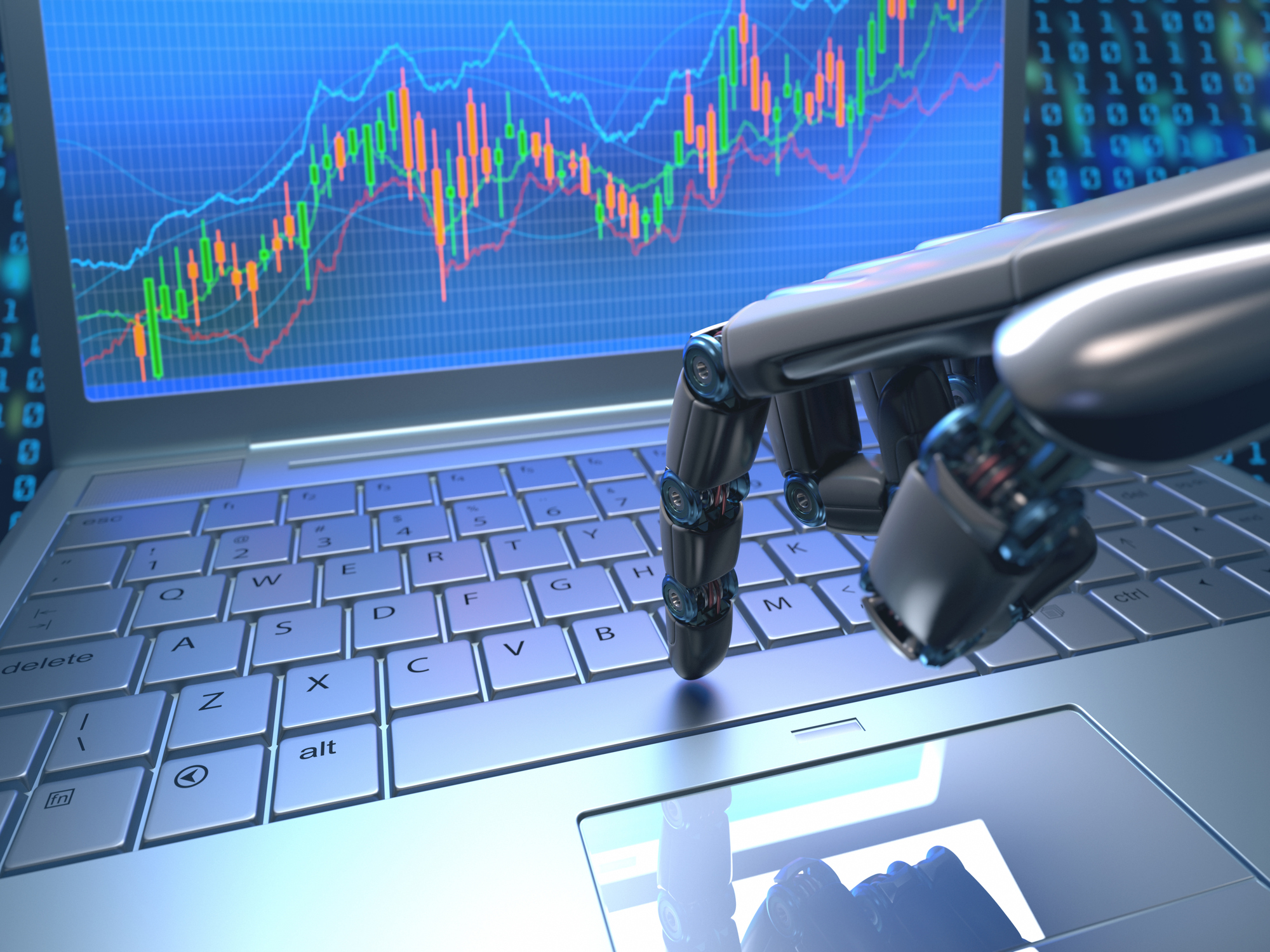
The AI revolution brought on by the launch of ChatGPT has set off a new technological race as businesses have readily embraced generative AI as the next frontier in technology.
However, the introduction of this new technology, which can write poetry and code, and has even passed a bar exam, has inspired a new set of fears as well, with some observers warning that artificial intelligence could do permanent damage to humanity.

One organization, The Future of Life, has even called on businesses and other AI developers to pause AI activity for six months until better regulations can be instituted.
That's where augmented intelligence comes in. Augmented intelligence is a branch of machine learning that is focused on enhancing human intelligence rather than replacing it.
Keep reading to learn more about augmented intelligence.
What is augmented intelligence, exactly?
Typical machine learning technology functions independently of human input. Once a training dataset has been applied to the system, it governs itself autonomously. Augmented intelligence, on the other hand, is designed to aid humans and provide them with usable data.
Plenty of artificial intelligence forms fall into the augmented intelligence category.
Virtual assistants like Amazon's (AMZN -0.80%) Alexa and Apple's (AAPL -0.34%) Siri are one form of augmented intelligence. The virtual assistants don't take action but provide answers to humans so they can make better decisions.
Why does augmented intelligence matter?
Beyond the technological implications of new generative AI tools like ChatGPT, there is also a wide range of real-world consequences, such as mass job displacement.
The fears about AI displaying humans in jobs like content creation and coding aren't irrational. Augmented intelligence offers a more harmonious approach to AI, one that is empowering to humans rather than threatening.
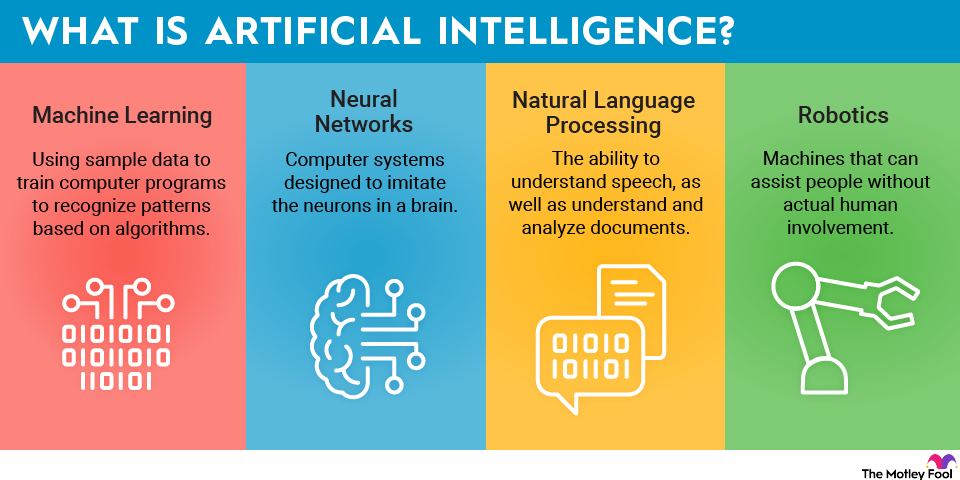
Augmented intelligence also seems to represent the preferred direction of AI since it's focused on maintaining humanity's superiority over technology, even as computer vision, natural language processing, and robotics continue to improve.
It also seems impossible to create AI that can exceed human intelligence in every category. For instance, humans can wrestle with difficult subjects like ethics and have a full range of emotional experiences that give them empathy and understanding in a way that machines are unlikely to ever have.
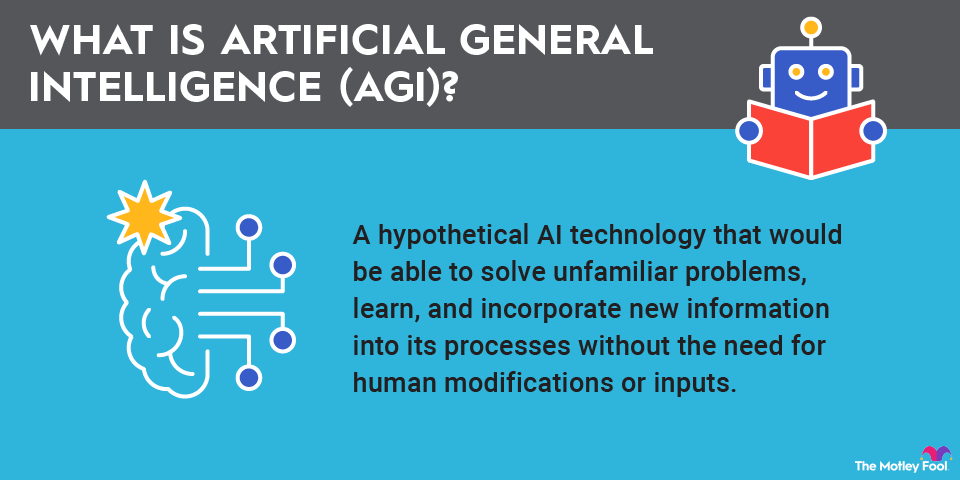
Artificial General Intelligence (AGI)
What are the benefits of augmented intelligence?
As the saying goes, "Two heads are better than one," and augmented intelligence offers the technological extension of this expression.
By combining artificial intelligence with human intelligence, augmented intelligence can improve both human decision making and computer decision making, eliminating factors that cause human error like bias and fatigue and recognizing signals that AI could miss.
One IBM (IBM -0.98%) study offered evidence of the benefits of augmented intelligence in healthcare. It found that a clinical study detecting lymph node cancer cells had a 7.5% error rate, while human pathologists had a 3.5% error rate.
However, when both the AI system and the pathologists were combined, the error rate dropped to 0.5%. That example shows how artificial intelligence and human intelligence complement each other well.
Related investing topics
What's an example of augmented intelligence?
One key characteristic of augmented intelligence is that it takes on a suggestive positioning.
The aforementioned virtual assistants offer one example of how that works in reality.
Another form of augmented intelligence is the suggestions or recommendations that appear when you go on Netflix (NFLX +0.87%) to stream movies and TV shows or when you shop on Amazon. Augmented intelligence is also behind the algorithms that determine which ads social media users see, essentially the basis of targeted ads.
Artificial intelligence already seems to be forming the base of the next bull market, and augmented intelligence will play a role in its development.
As policymakers and business leaders assess the potential consequences of large-scale AI adoption, expected augmented intelligence to be a greater part of the conversation around AI.
About the Author