Shares of BP plc (BP +2.56%) plunged on Tuesday, falling 4.7% as of 12:51 p.m. EDT.
BP fell along with most other major oil and gas stocks, as investors assessed President Trump's comments over the weekend that the U.S. and Iran were close to a deal to eventually reopen the Strait of Hormuz.
However, BP fell more than its peers after the company announced its Board of Directors had unanimously voted to fire its current Chairman, Albert Manifold. This is no small matter, as Manifold had been brought in to execute a major turnaround plan.

NYSE: BP
Key Data Points
Manifold out, as BP attempts to drill more
On Tuesday, BP announced its Board had unanimously decided that Manifold will no longer serve as the company's Chairman. In a press release, senior independent director Amanda Blanc said, "Albert has helped bring a welcome focus and pace to BP's transformation. However, the board has been surprised and disappointed to learn of governance oversight and conduct issues it deems unacceptable and has taken decisive action."
The company didn't elaborate on the exact nature of those governance and conduct issues.
Director Ian Tyler was named interim Chair and said in the release that the organizational refocus on oil and gas operations would continue, noting that the current team had "deep conviction in the strategic direction we have laid out."
Last year, activist hedge fund Elliott Management took a 5% stake in BP. It then advocated that the company change its strategy away from renewables and back toward its core oil and gas exploration business, and that it simplify and improve execution. Elliott played a role in Manifold's appointment, and Manifold subsequently appointed current CEO Meg O'Neill to helm the new strategy.
While there is apparently no change to the strategy and O'Neill remains CEO, Manifold's ousting may prompt some investors to de-risk and trim holdings amid the uncertainty, given that BP is less than a year into its turnaround efforts.
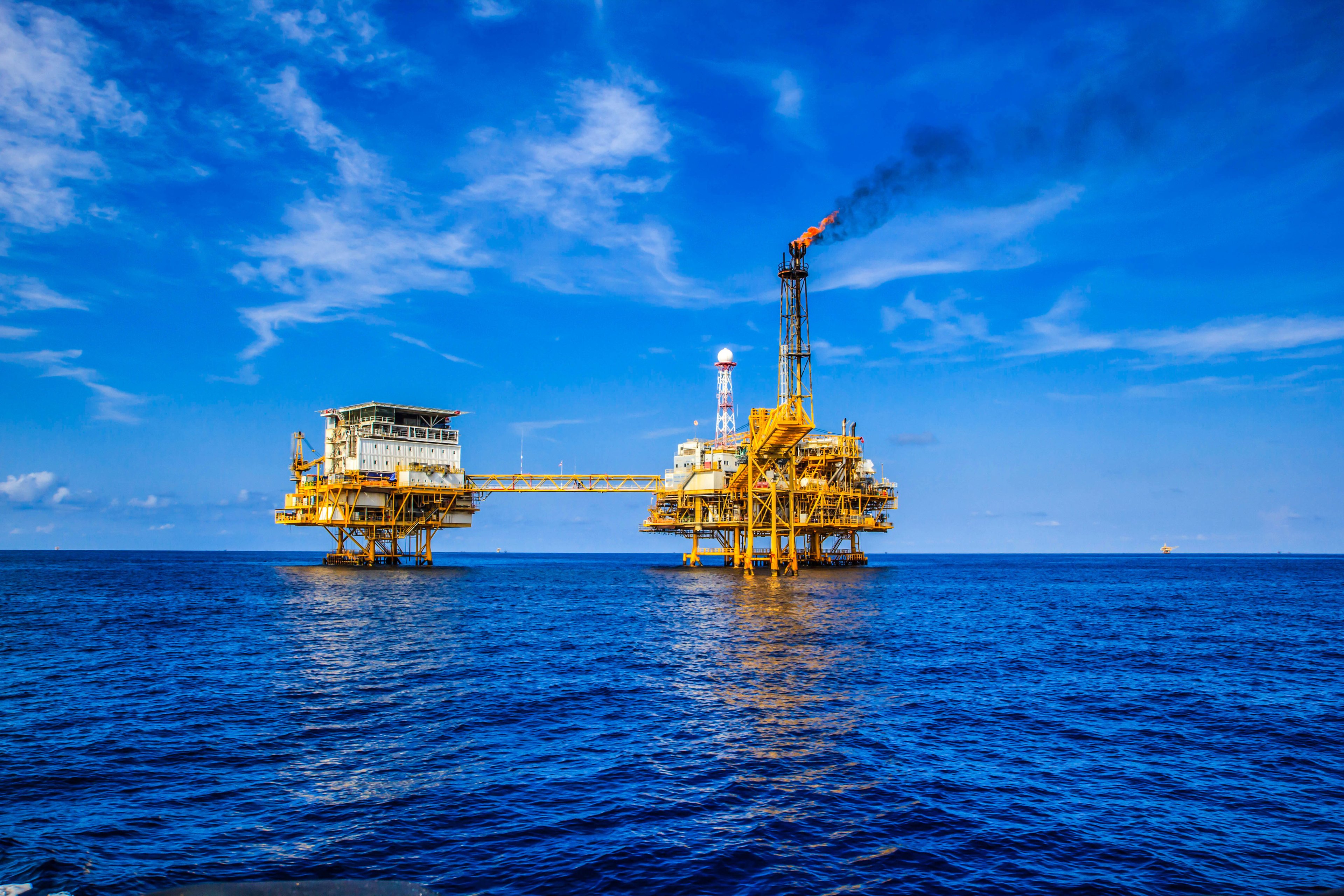
Image source: Getty Images.
Is BP a buy?
BP is among the cheapest oil and gas stocks with among the highest dividend yields of its upstream peer group at 4.5%.
That may be for a good reason, given that the company is changing strategies and has now lost one of its leaders. However, for those believing higher oil prices will stick around for longer than the market believes -- after all, no deal with Iran to open the Strait of Hormuz has yet been signed -- then BP may be worth a look for risk-on energy investors.