Companies become public by completing an initial public offering, or IPO, selling shares to the public to raise capital. Once its shares are public, investors can buy and sell shares from one another on the open market.
Public companies in the United States are required by the Securities and Exchange Commission (SEC) to comply with certain reporting requirements. For example, public companies are required to submit both annual and quarterly financial statements and must have a board of directors to supervise the company's management team.
Pros and cons of going public for companies
There are some good reasons companies choose to go public, but there are also some major drawbacks.
Advantages of going public
- Access to capital - Public companies can raise money through their IPO as well as through additional share offerings.
- Liquidity - Being public makes it easy to buy and sell shares whenever investors want.
- Talent retention - Being able to offer publicly traded stock and options as part of compensation can be a valuable recruiting and retention tool.
Drawbacks of going public
- Regulatory scrutiny - Publicly traded companies are required to comply with far more laws and regulations than private companies.
- Loss of control - It doesn't happen in all cases, but publicly traded shares have voting rights, and founders and insiders can lose control of the company after going public.
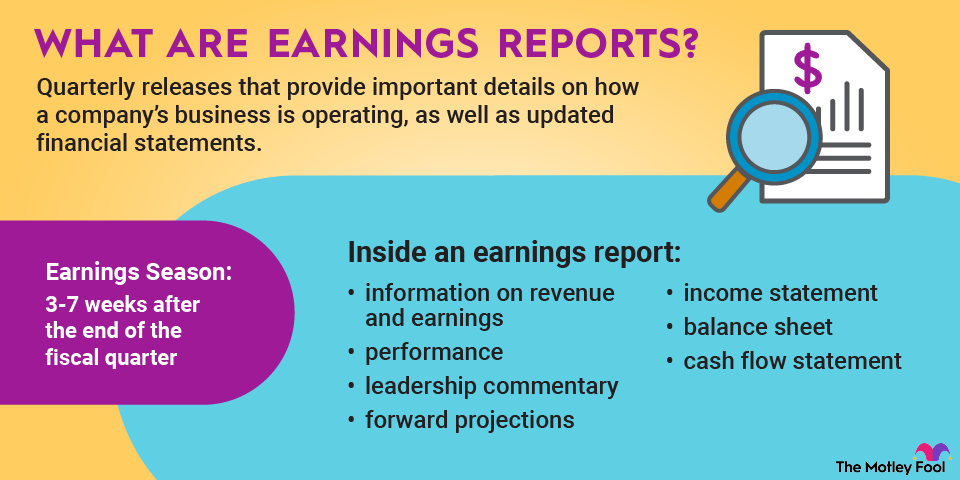
- Short-term focus - Public companies issue quarterly earnings reports and can be pressured to achieve certain short-term goals.
What are private companies?
Private companies are those not listed on a major stock exchange with shares available to be traded by the public. This doesn't mean that members of the public cannot invest in private companies. Quite the opposite: Private companies regularly raise capital from investors to help fund their growth. The term venture capital refers to investors putting money into private companies.
Market capitalization
A company's market capitalization, or market cap, is the sum of the value of all of its outstanding shares. Think of market cap as the stock market's "valuation" of that specific company. For example, if a stock trades for $100 per share and there are 10 million shares outstanding, that company has a market cap of $1 billion.
Companies with different market caps are often grouped into specific categories. Large-cap, mid-cap, and small-cap classifications are often used.
Understanding stock exchanges
Stock exchanges are places (online or physical) where investors buy and sell shares of stock. There are several types of stock exchanges, including auction markets like the New York Stock Exchange, where buyers and sellers are matched to complete transactions, and dealer markets like the Nasdaq Stock Exchange, where dealers buy and sell shares to facilitate maximum liquidity.
There are several stock exchanges in the U.S. and many more internationally. Collectively, stock exchanges make up the stock market.